When people search “top affiliate networks” or “what are the best affiliate networks,” they usually want a shortlist they can trust without reading ten different roundup pages. In 2026, the “best” affiliate marketing networks are the ones that consistently deliver reliable tracking, a healthy mix of offers, stable payouts, and clear compliance rules that won’t get your account flagged the moment you scale.
For most creators and performance marketers, the top 10 best affiliate networks in 2026 can be summarized as a practical mix of large, brand-heavy networks and a few specialist platforms that dominate specific verticals. A solid starting set includes Awin, CJ Affiliate, Impact, Rakuten Advertising, PartnerStack, ClickBank, FlexOffers, Skimlinks, 2Checkout (Avangate), and MaxBounty. This list covers the most common monetization paths: content SEO, deal/coupon traffic, SaaS referrals, and CPA/CPL lead generation.
It’s also important to keep the intent clean. An “affiliate network” is not the same thing as an “affiliate program.” A network aggregates many advertisers and provides unified tracking and payments, while a program is a single brand’s in-house or hosted offer. If your goal is speed and variety, a network is usually the right first step; if your goal is deep alignment with one product (for example, a single VPN or hosting brand), you may be better served by a direct program even if it is not inside a network.
10 best affiliate networks for marketers
| Affiliate Network | Typical payout types you’ll see | Strongest niches / where it tends to shine |
|---|---|---|
| Awin | Mostly CPS (commission per sale) | Ecommerce + content-driven commerce (retail categories) |
| CJ Affiliate | CPS + CPL (depends on advertiser/region) | Established consumer brands, retail, sometimes finance-style offers |
| Impact | CPS, CPL, hybrid, sometimes subscription/recurring | SaaS, DTC, partnership-style setups |
| Rakuten Advertising | Mostly CPS, sometimes lead models | Large retailers, enterprise advertisers, brand-safe publishers |
| PartnerStack | Often recurring + structured referrals | SaaS (B2B tools), product-led growth referrals |
| ClickBank | Mostly CPS, sometimes subscription-style | Digital products, direct-response offers |
| FlexOffers | CPS + CPL across many advertisers | Broad catalog across multiple categories |
| Skimlinks | Primarily CPS (via merchants behind the scenes) | Editorial commerce for blogs/media sites |
| 2Checkout (Avangate) | Mostly CPS | Software/digital goods, subscriptions/licenses |
| MaxBounty | Mostly CPA/CPL (action/lead based) | Lead gen, performance marketing, paid traffic funnels |
Payout schedules, thresholds, and offer rules can change and vary by country/advertiser—always confirm inside the network dashboard and each offer’s terms before building your funnel.
Comparison: payout types, niches, and approval difficulty
A useful way to compare affiliate networks is to look at three signals that correlate strongly with real results. The first is payout type, such as CPS (commission per sale), CPL/CPA (commission per lead/action), pay-per-call, or recurring revenue for subscription products. The second is niche strength, because many networks look “broad” on paper but are clearly strongest in specific verticals like retail ecommerce, SaaS, finance lead gen, or digital products. The third is approval difficulty, because some networks and advertisers will accept most publishers, while others expect a clean website, credible traffic sources, and a clear promotional method.
Awin
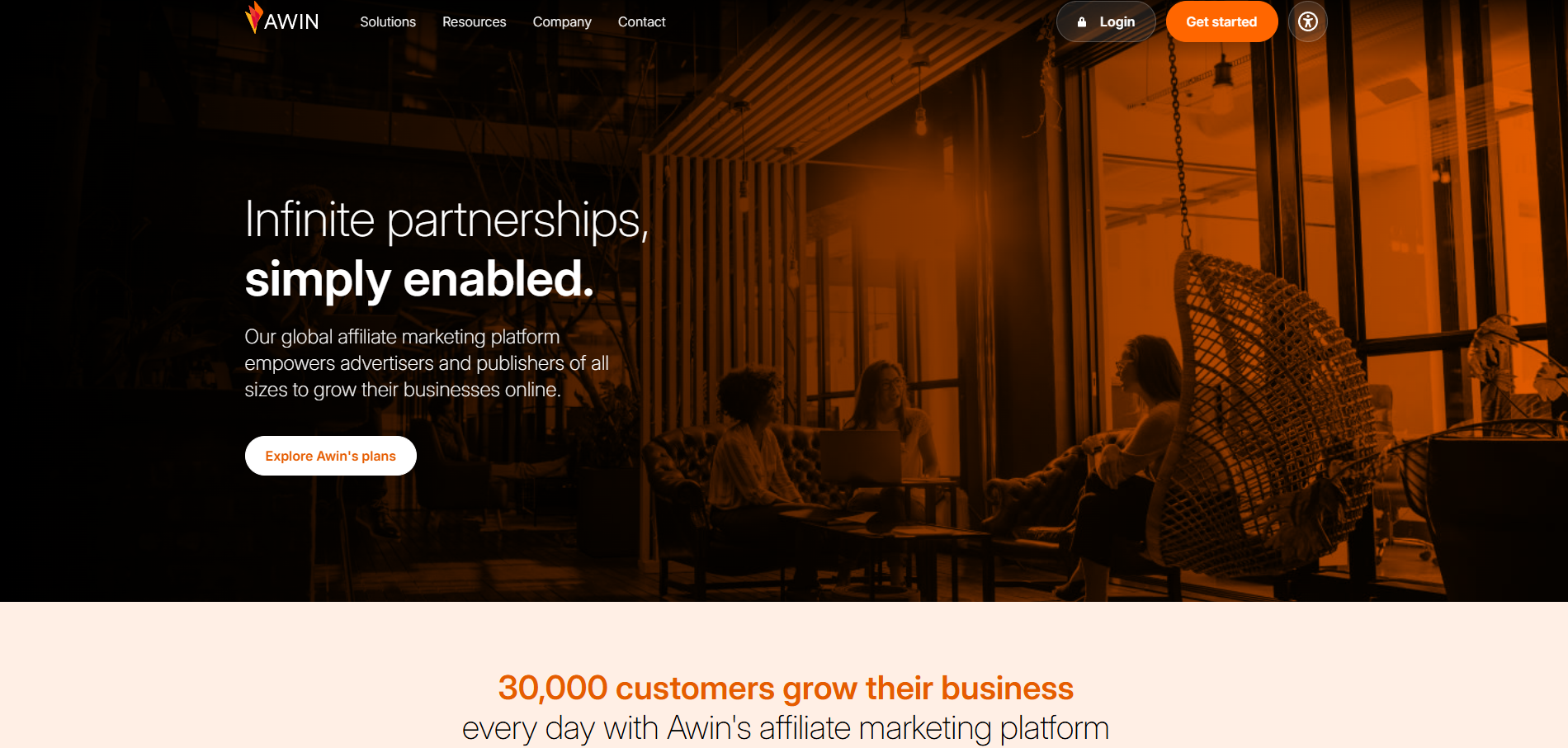
Awin is typically strongest for ecommerce and content-driven commerce sites that want access to a broad catalog of merchants under one roof. You will usually see CPS offers and standard retail categories. Approval is often manageable for publishers with a real site and clear niche positioning, but advertiser approvals can still vary depending on brand requirements.
CJ Affiliate
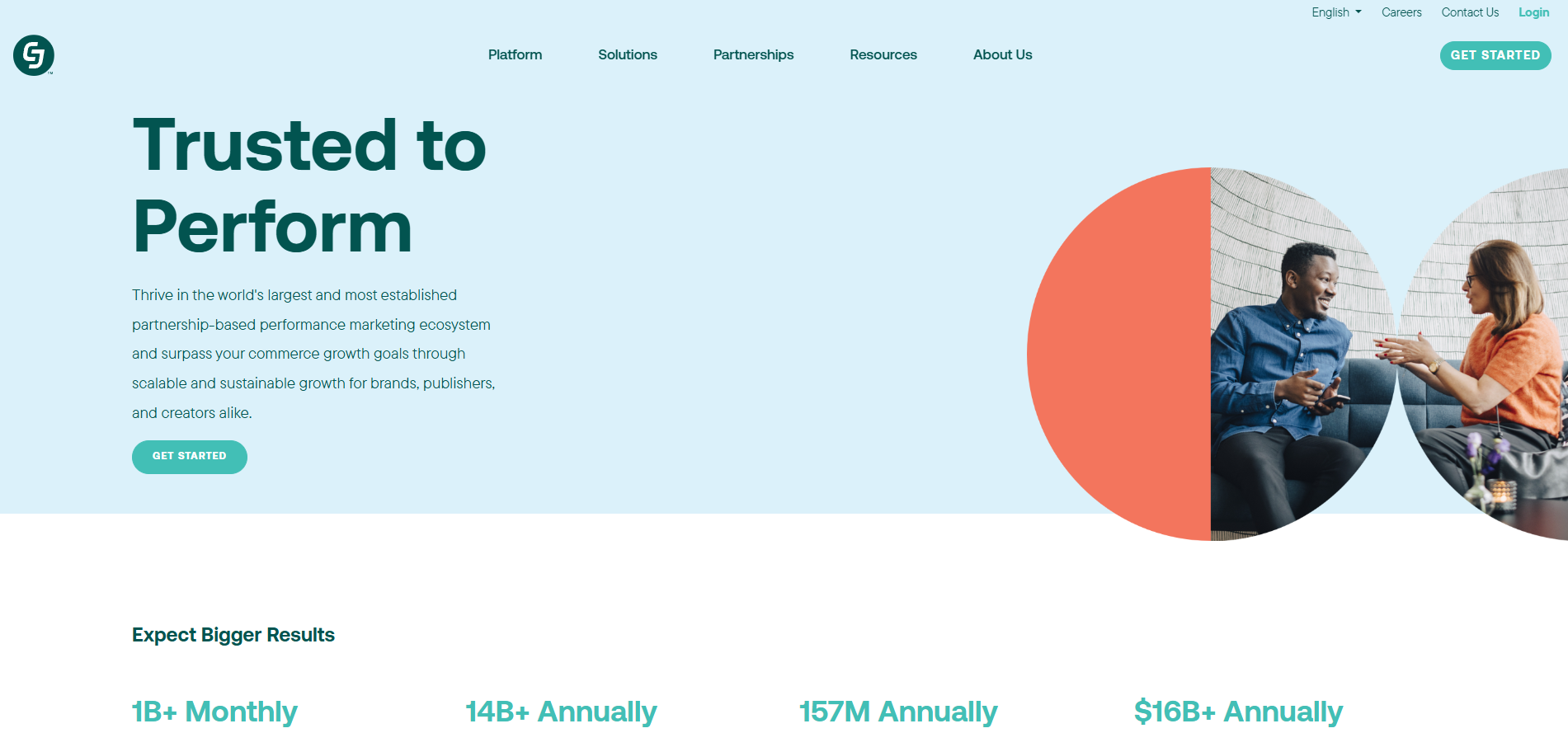
CJ Affiliate is often associated with established consumer brands and publishers who can drive consistent, policy-compliant traffic. You will commonly find CPS and CPL offers depending on the advertiser and region. Approval tends to be more selective than beginner-friendly networks, especially if you have thin content or unclear traffic sources, but it can be a great “next step” once you have a baseline audience.
Impact
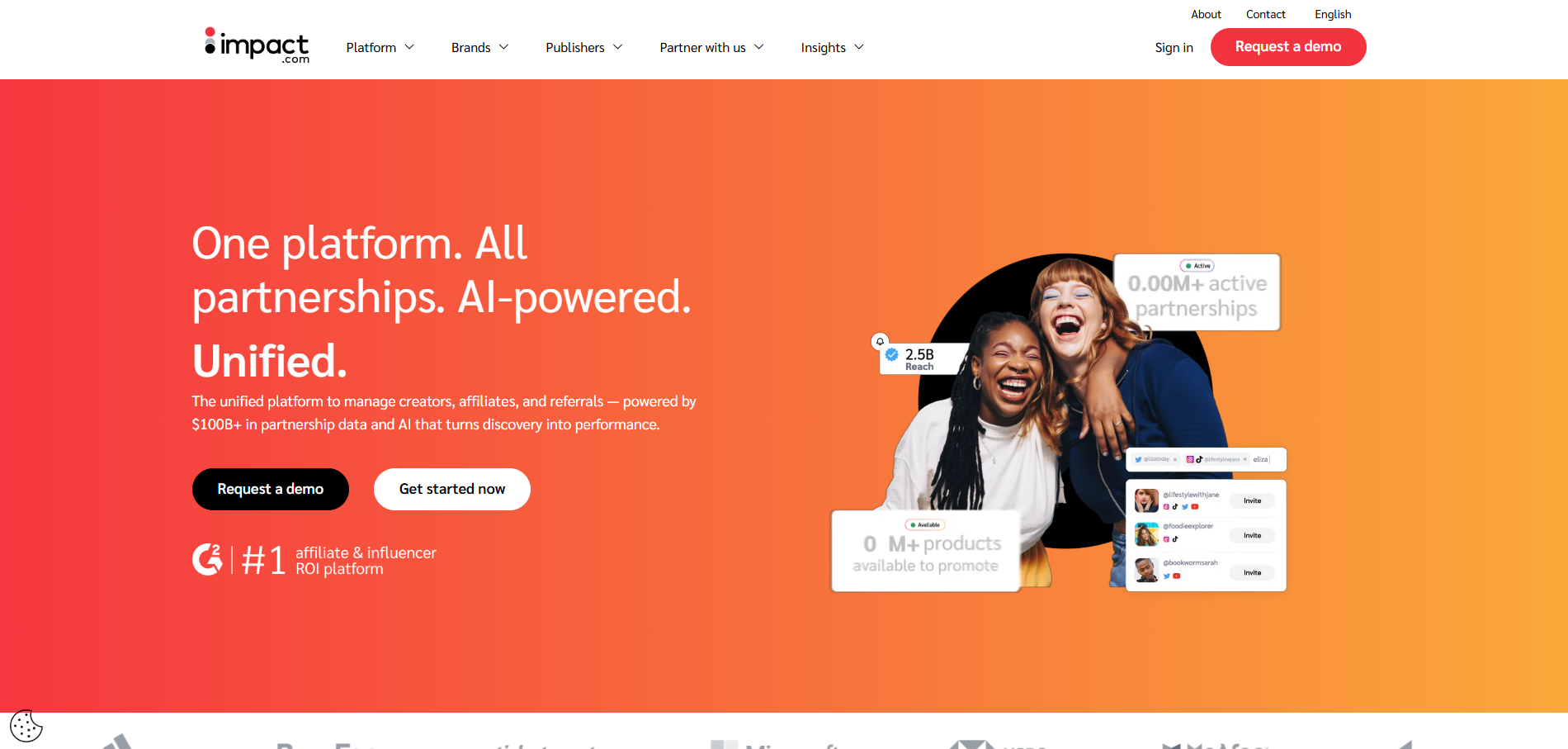
Impact is often chosen by affiliates and brands who care about partnerships at scale and want more flexible tracking, attribution, and partner management. It shows up frequently in SaaS and DTC ecosystems, and payout structures can include CPS, CPL, hybrid, or subscription-style commissions depending on the advertiser. Approval usually lands in the middle: it is accessible, but you’ll get better outcomes when your funnel and traffic sources are clearly explained.
Rakuten Advertising
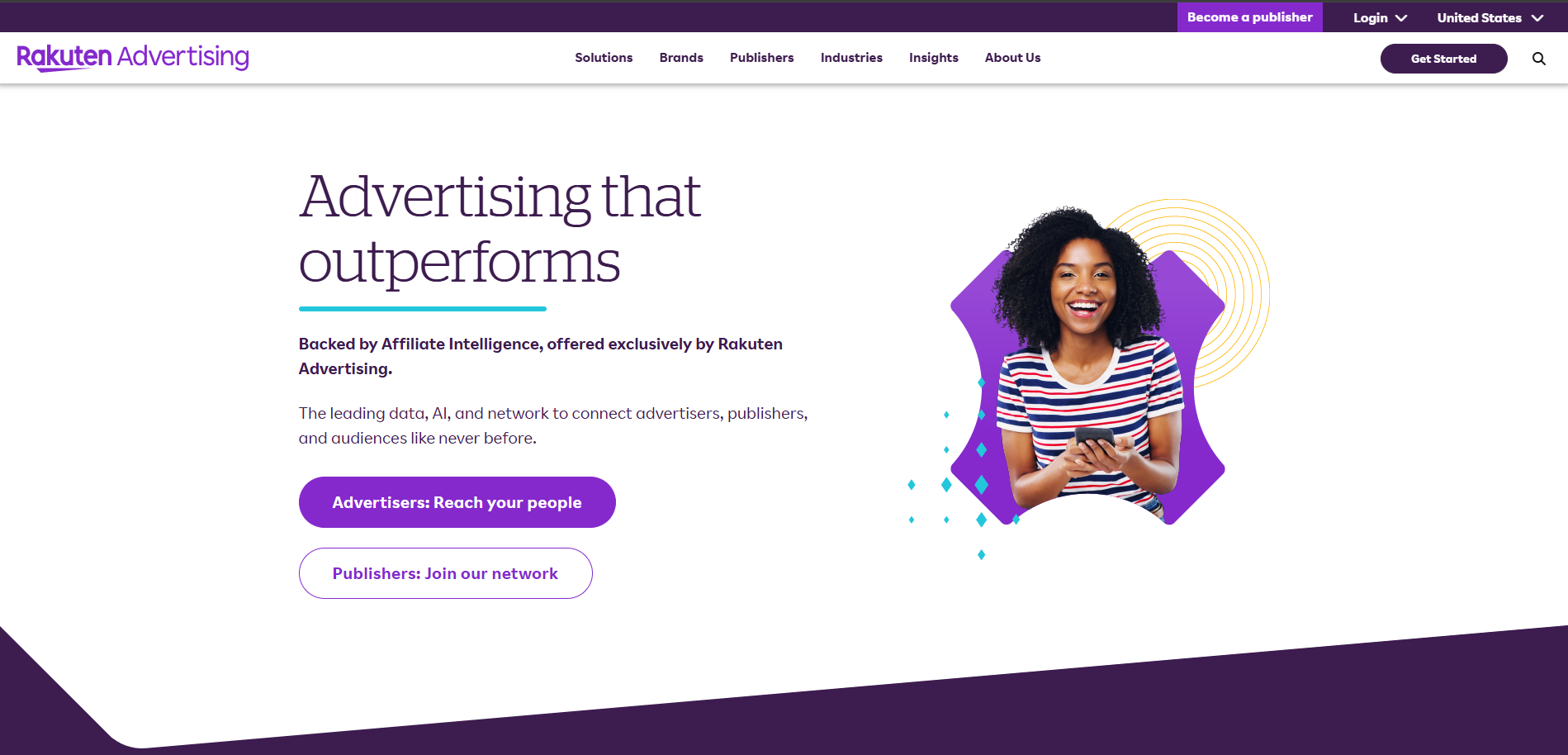
Rakuten Advertising is commonly viewed as more selective and more brand-oriented, often tied to larger retailers and enterprise advertisers. The dominant structure is usually CPS with occasional lead models. If you are a content publisher with strong traffic quality and brand-safe positioning, Rakuten can be a strong fit, but it is typically not the fastest place to get started from zero.
PartnerStack
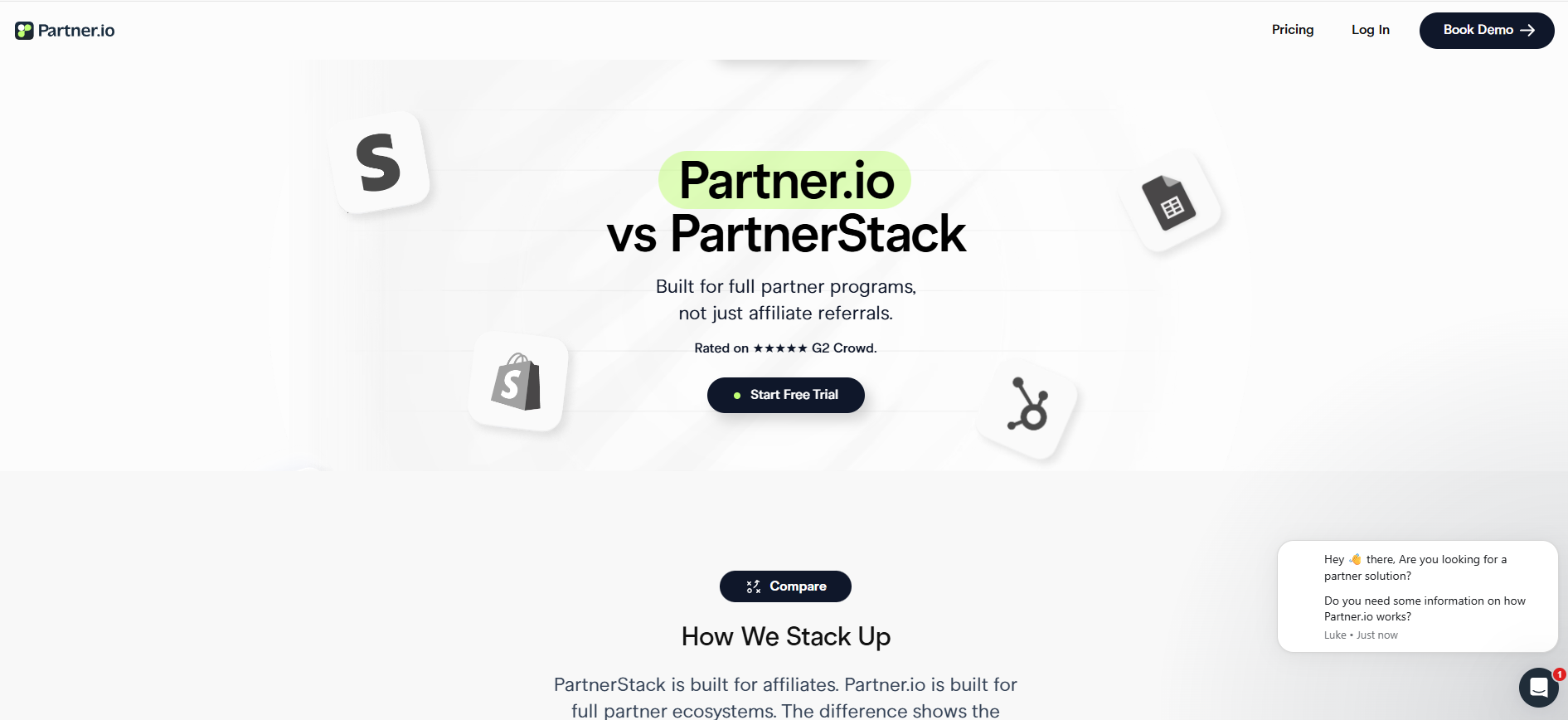
PartnerStack is a standout when your content or sales motion targets SaaS, especially B2B tools where referral programs and partner ecosystems are mature. You will often see recurring commissions or structured referral payouts depending on the vendor. Approval is frequently reasonable for publishers who can demonstrate relevant audience fit, and it’s a natural home for “tool stack” content, tutorials, and product-led growth style referrals.
ClickBank
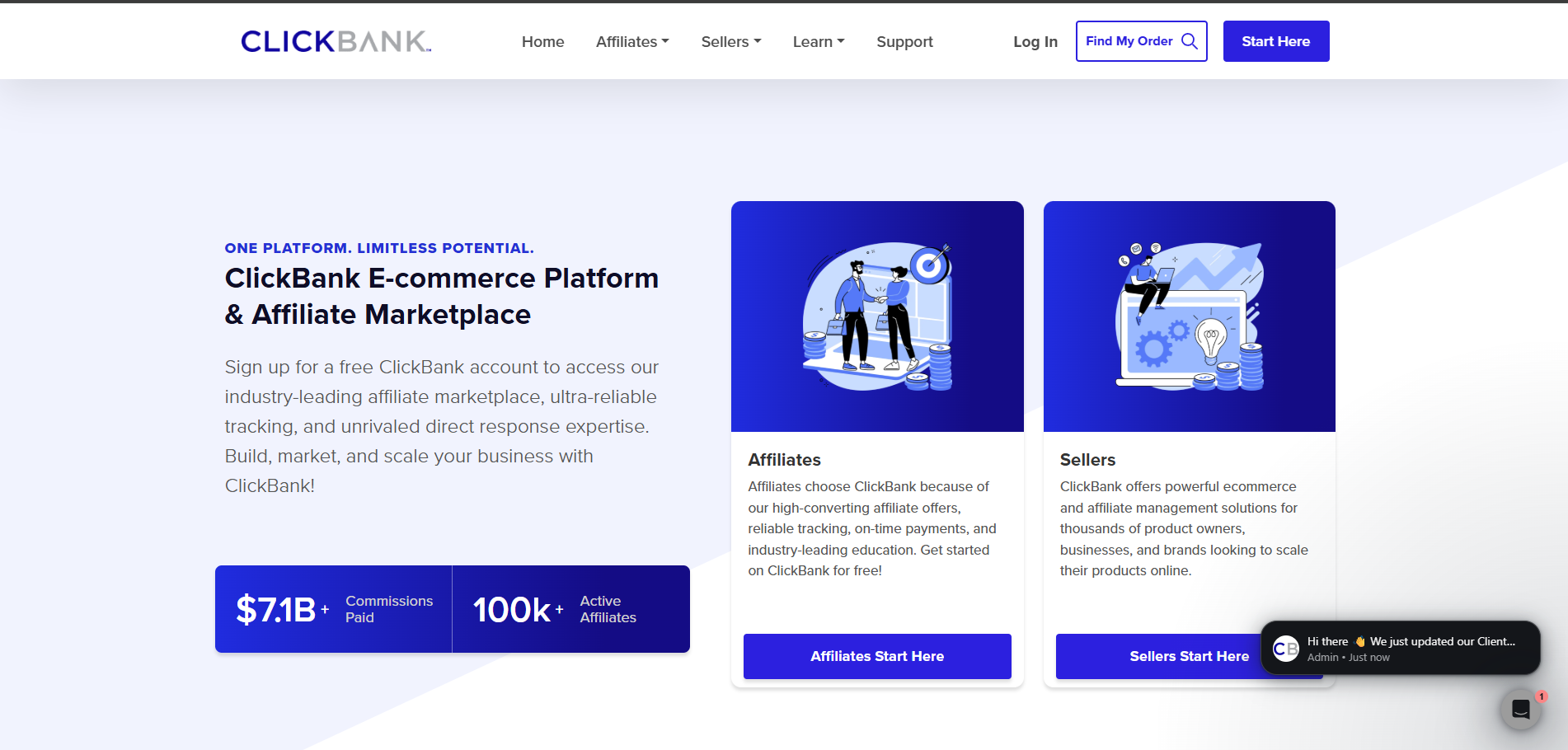
ClickBank has historically been known for digital products and direct-response style offers, where commissions can be higher but quality varies by vendor. Payout structures are usually CPS and sometimes subscription-style depending on the product. Approval can feel easier than brand-heavy networks, which is why it attracts beginners, but your long-term success depends on choosing reputable offers and using compliant traffic sources.
FlexOffers

FlexOffers is often used as a “one account, many advertiser options” style network for affiliates who want breadth and convenience. You will see both CPS and CPL offers across many categories. Approval tends to be moderate, and the practical tradeoff is that payment terms and advertiser rules can differ widely, so you need to read the conditions per offer rather than assuming one universal standard.
Skimlinks
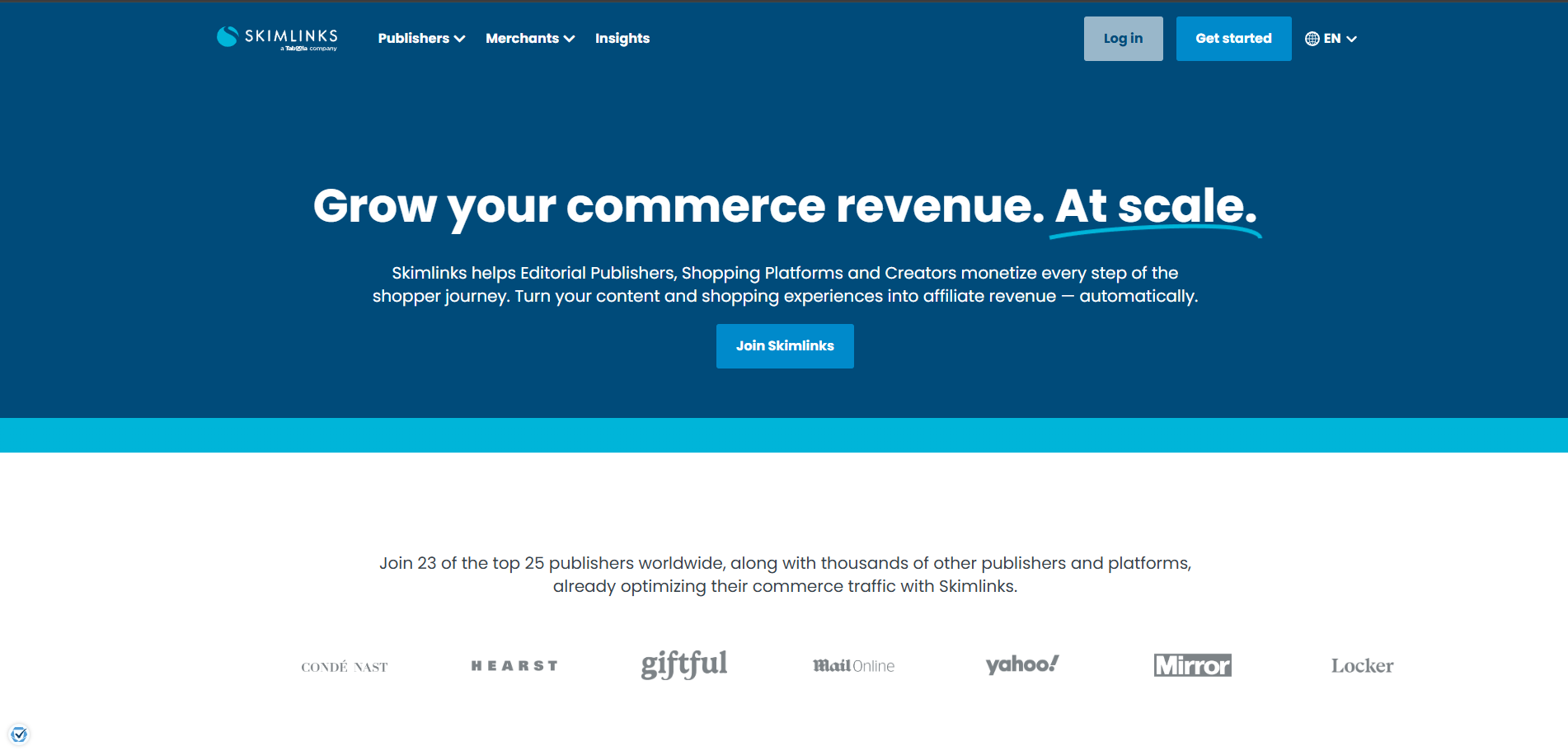
Skimlinks is frequently positioned for content publishers who already publish product mentions and want a lighter operational workflow. It’s strongest for commerce content and editorial monetization where you are not trying to negotiate each deal manually. Payout is typically tied to merchant programs behind the scenes, and approval can be comparatively accessible if you have a legitimate content site and consistent publishing history.
2Checkout (Avangate)
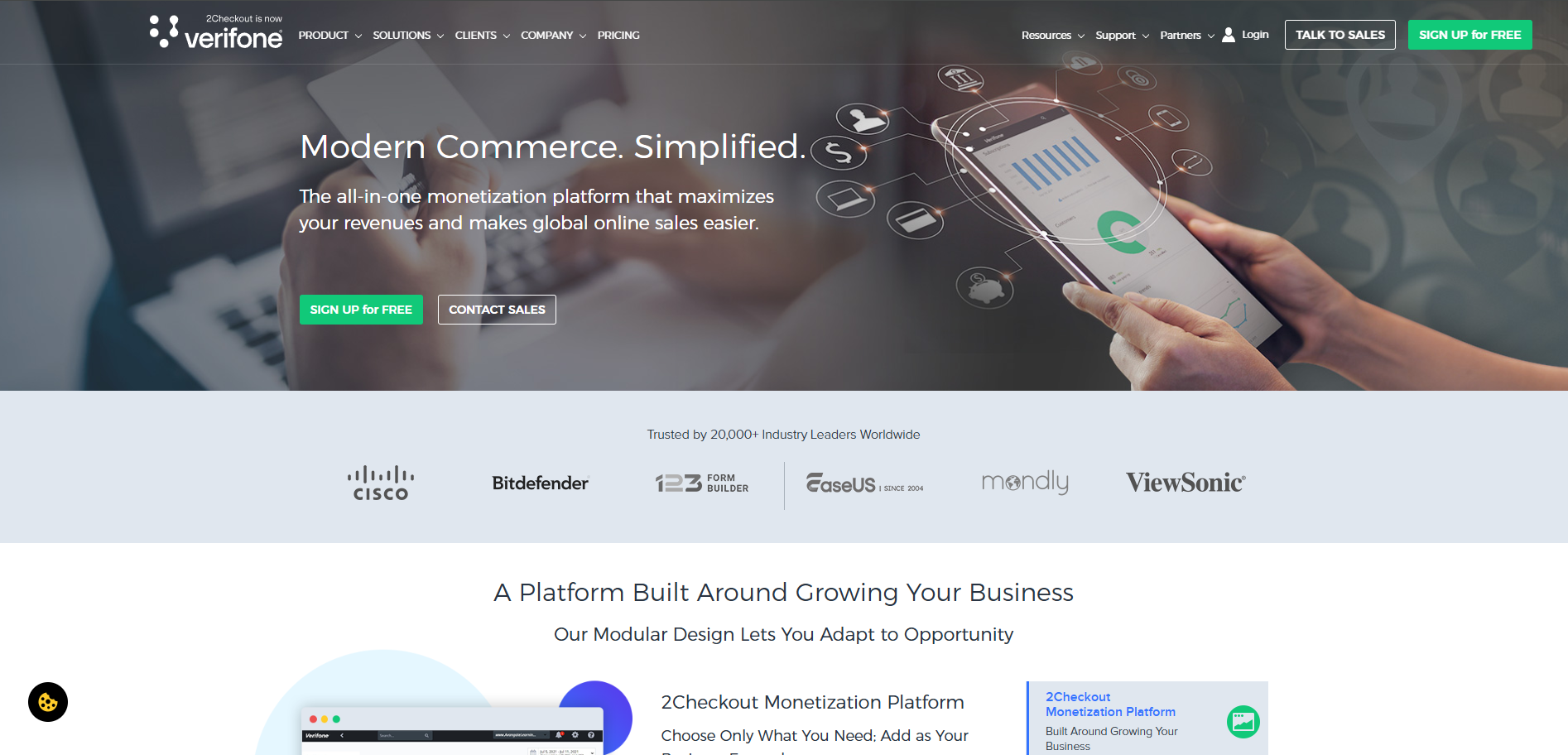
2Checkout (Avangate) is commonly associated with software and digital goods, where subscription and license-based products are common. The payout model is usually CPS, and the niche advantage is obvious if you publish software reviews, tool comparisons, or “best apps” style content. Approval is often reasonable when your audience and promotion method clearly match the software category.
MaxBounty

MaxBounty is often discussed in the context of CPA and CPL performance marketing, including lead generation and paid traffic campaigns where tracking discipline and compliance are critical. The payouts are usually action-based rather than sale-based, and approval can be stricter because the network needs to protect advertisers from low-quality or noncompliant traffic. If you know how to run clean funnels and respect traffic restrictions, it can be a powerful platform; if you’re brand new, it can feel steep.
Because payout schedules, thresholds, and approval rules change over time and can vary by country, treat any “net-X” or minimum threshold you see online as a starting reference, not a promise. Always confirm the current payout cadence and restrictions inside the network dashboard and within each advertiser’s terms before you build a funnel around it.
Who each network is best for (beginners, pros, paid traffic)
Best affiliate networks for beginners (fast start, low friction)
If you’re a beginner, you usually need two things: a realistic path to approval and offers you can promote without complicated negotiations. In that scenario, many people start with ClickBank when their content fits digital products, because it can be easier to get moving and test messaging quickly. If you already publish articles with product mentions and want a lighter setup, Skimlinks can be a practical first choice for content monetization without heavy operational overhead.
Once your site and traffic become more consistent, a larger ecommerce network like Awin becomes a natural upgrade because it opens access to a broader catalog of merchants and “standard” retail categories. The fastest route is rarely “join everything,” but rather “join one network that matches your content type,” then publish enough proof—quality pages, clear positioning, and consistent traffic—that you look like a serious partner.
Best affiliate networks for content sites and SEO publishers (reviews, “best of,” comparisons)
If you are a content or SEO publisher, your best affiliate networks tend to be the ones that reward product intent and brand-safe traffic. CJ Affiliate, Awin, Rakuten, and Skimlinks often align well with review pages, “best of” lists, comparisons, and commerce articles because those formats capture users who are already shopping, evaluating, and ready to click.
Your advantage in this lane is not a trick. It comes from topical authority, clean internal linking across related articles, and choosing offers that genuinely match what the reader is trying to accomplish. When the offer matches the intent of the page, conversion becomes a byproduct of relevance rather than aggressive selling.
Best affiliate networks for pros who want to scale (tracking, attribution, partner ops)
If you are a pro who wants to scale, you usually optimize for tracking quality, attribution clarity, and predictable partner management. That is where platforms like Impact and PartnerStack can shine, especially for SaaS and subscription ecosystems, because they tend to support more structured partnerships and recurring revenue models that compound over time.
At this level, the “best” network is often the one that fits your operations. Reporting needs to be reliable, compliance rules need to be clear, and the advertiser mix has to match your funnel and traffic sources. In other words, platform fit matters more than hype.
Best affiliate networks for paid traffic (CPA/CPL, performance marketing)
If your core strategy is paid traffic, the “best affiliate networks” are often the ones designed for CPA/CPL and performance marketing, where offer economics can handle acquisition costs and you can iterate on creatives and landing pages quickly. MaxBounty is often considered in this lane because it aligns with lead-gen and action-based offers, but it only works if you run clean, policy-compliant campaigns and respect every traffic rule attached to each offer.
Paid traffic can scale fast, but it also gets accounts closed fast when compliance is sloppy. If you go this route, treat offer terms as part of your campaign build, not something you skim after launch.
How to choose your network in 60 seconds (and avoid joining everything)
The simplest way to choose from the top affiliate networks in 2026 is to start from your traffic source and content format, then pick the network whose strongest niche matches that reality. Once you have one network producing stable conversions, expand by adding a second network that fills your gaps rather than duplicating your catalog. This keeps your strategy focused, which is exactly what both search engines and affiliate managers want to see.
FAQ
1) What’s the difference between an affiliate network and an affiliate program?
An affiliate network is a platform that lists many advertisers, provides tracking, and pays affiliates in one place. An affiliate program is a single brand’s offer (you promote that one company). If you want variety and faster testing, start with a network; if you want deep focus on one product, pick a program.
2) What are the best affiliate networks for beginners?
The best affiliate networks for beginners are the ones that are easier to join and have offers you can promote with simple content. If you run a blog or review site, start with content-friendly networks; if you promote digital products, start where digital offers are common. Your fastest win is choosing one network that matches your content type and publishing consistently.
3) What are the best CPL affiliate networks?
The best CPL affiliate networks are built around lead-gen offers where you get paid for a completed action (form, signup, quote request). Choose a network that supports your vertical (finance, insurance, home services, health) and clearly states allowed traffic sources. Always check lead validation rules to avoid reversals.
4) What are the best pay-per-call affiliate networks?
The best pay-per-call affiliate networks pay you for qualified calls (often with minimum call duration and strict lead quality rules). Pick networks that provide clear call qualification terms, reliable call tracking, and offers in your niche like insurance or local services. Confirm whether your traffic source (SEO, PPC, social) is allowed before launching.
5) What are the best affiliate programs for Google Ads?
The best affiliate programs for Google Ads are the ones that explicitly allow PPC and have clear rules about brand bidding, direct linking, and landing pages. In most cases, you’ll need a real landing page that adds value (not a thin bridge page) and compliant ad copy. If PPC rules are unclear, don’t run paid traffic until you confirm them.
Conclusion
In 2026, the “best affiliate network” isn’t the one with the longest list of advertisers—it’s the one that matches your traffic source, niche, and promotion style so you can get approved, stay compliant, and scale without constant account risk. Start with one network that fits your content format, validate conversions with a small set of offers, then expand to a second network only when it fills a real gap (not when it just duplicates your catalog). That focus is what turns affiliate marketing from scattered testing into a predictable revenue system.
Want a step-by-step roadmap (network vs program selection, niche fit, SEO content structure, and compliance-safe scaling)? Read more guides on the Orichi Blog at orichi.info.