Influencer marketing has become one of the biggest drivers of online discovery, brand awareness, and ecommerce growth. From TikTok and Instagram to YouTube and Facebook, creators are turning their content into real businesses. That is why so many people now ask the same question: how do influencers make money?
The answer is broader than most people think. Influencers can earn through sponsored content, affiliate commissions, user-generated content, long-term brand deals, subscriptions, product sales, and platform monetization. But in today’s creator economy, one of the most effective places to start is through influencer marketplaces.
For many creators, marketplaces have made monetization much more accessible. Instead of relying only on cold outreach, random inbound messages, or agency connections, influencers can use these platforms to showcase their work, connect with brands, and secure paid opportunities more consistently. For brands, they simplify the process of finding creators who match a campaign, budget, and audience.
In this guide, we’ll break down the top ways influencers make money, why influencer marketplaces are becoming such an important part of that process, and what to look for when choosing one.
What Is an Influencer?
An influencer is someone who has built trust and attention with an audience on social media or other digital platforms. That influence may come from expertise, entertainment, education, lifestyle content, reviews, or community-building. Some influencers have millions of followers, while others operate in smaller niches with highly engaged audiences.
They can be active on:
- TikTok
- YouTube
- X
- Twitch
- Blogs and newsletters
What matters most is not just audience size, but the ability to drive attention, engagement, and action.
How Do Influencers Make Money?
Most influencers earn from a mix of revenue streams rather than one single source. Still, some methods are more practical and scalable than others, especially for creators who want consistent opportunities.
1. Influencer Marketplaces
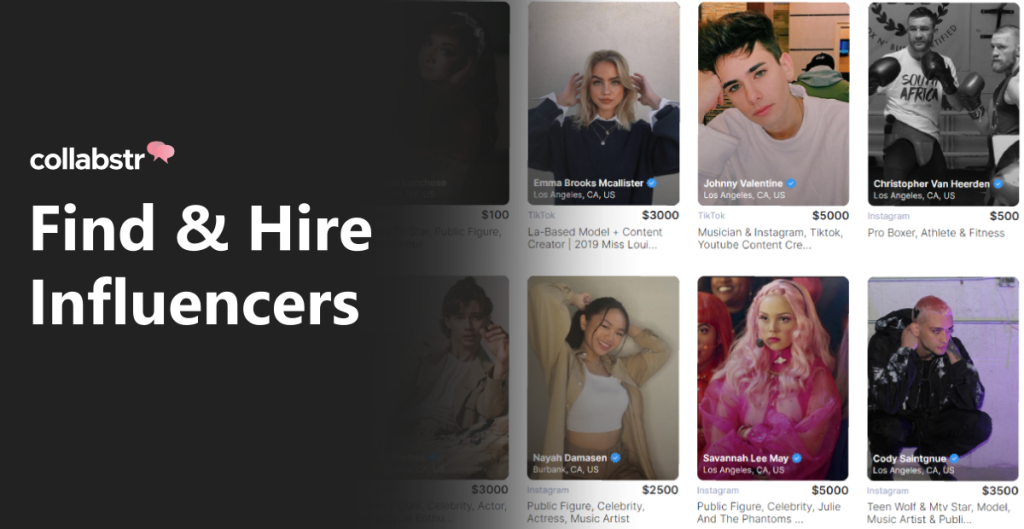
One of the best ways influencers make money today is through influencer marketplaces.
These platforms connect creators with brands that are actively looking for partnerships. Rather than spending hours pitching companies, negotiating from scratch, and trying to get noticed, influencers can create profiles, present their services, and get discovered more easily.
That makes marketplaces especially valuable for:
- micro-influencers
- niche creators
- UGC creators
- freelancers building a creator business
- brands that want faster creator discovery
For influencers, this approach can lead to a more reliable stream of paid opportunities. It also helps turn content creation into something more structured and professional. A creator is no longer waiting for the occasional email from a brand. Instead, they are placing themselves where partnerships are already happening.
For brands, the benefit is just as clear. Marketplaces reduce the time it takes to find relevant creators, compare options, and launch campaigns. That matters even more for ecommerce businesses that need fresh content, product promotion, and social proof on a regular basis.
When choosing a platform, it helps to look for one that makes discovery simple, supports different creator types, and works well for both influencer campaigns and UGC. A strong example is Collabstr, which has become a popular choice for brands and creators because it makes collaboration feel much more straightforward. It gives businesses a practical way to find talent across niches and gives creators more visibility for paid work, without adding unnecessary friction to the process.
That is a big reason influencer marketplaces deserve the top spot on this list. They are not just another monetization channel. In many cases, they are the gateway to several others, including sponsored posts, UGC deals, and long-term brand partnerships.
2. Sponsored Posts
Sponsored posts are one of the most familiar ways influencers earn money. A brand pays a creator to feature a product or service in a piece of content such as a TikTok video, Instagram reel, YouTube integration, or Facebook post.
This can include:
- product reviews
- tutorials
- unboxings
- lifestyle placements
- story promotions
- short-form videos
Rates vary depending on audience size, engagement, niche, platform, content quality, and usage rights. A creator with a smaller but highly engaged audience can often perform better than a much larger account with weaker audience trust.
Sponsored posts remain a major source of influencer income, and many of these opportunities now begin through creator platforms rather than direct outreach alone.
3. Affiliate Marketing
Affiliate marketing allows influencers to earn a commission when someone makes a purchase through their referral link or discount code. This model is especially common in beauty, fashion, fitness, software, tech, and ecommerce.
Many creators like affiliate income because it can continue long after a post goes live. A product recommendation video, blog post, or tutorial may keep driving sales for weeks or months.
This works best when influencers:
- recommend products that fit their niche
- build trust with their audience
- create useful review or educational content
- share products with clear buyer intent
Affiliate revenue is often strongest when combined with sponsorships and creator partnerships.
4. User-Generated Content
User-generated content, often called UGC, has become one of the fastest-growing ways creators make money. In this model, a brand pays a creator to produce content that the brand can use on its own channels, ads, landing pages, or product pages.
This may include:
- product demos
- testimonials
- unboxing videos
- problem-solution clips
- lifestyle footage
One reason UGC has grown so quickly is that a creator does not always need a huge following to succeed with it. Brands often care more about content quality, authenticity, and on-camera presence than follower count alone.
This is also one of the reasons creator marketplaces have become so valuable. They make it easier for brands to find people who can produce this kind of content efficiently.
5. Brand Ambassadorships
Some influencers move beyond one-off campaigns and build longer-term relationships with brands. These ambassador partnerships may include monthly deliverables, recurring promotions, product launches, or exclusive relationships.
For creators, these deals can bring more predictable income. For brands, they usually create stronger consistency and trust because the audience sees the product recommended more than once.
Long-term deals often grow out of successful smaller collaborations.
6. Platform Monetization Programs
Some creators earn directly from the platforms they use. Depending on the channel, that may include ad revenue, creator funds, in-stream monetization, subscriptions, or fan support.
Examples include:
- YouTube ad revenue
- TikTok monetization programs
- Facebook monetization tools
- livestream gifts and badges
While this can be helpful, platform income is often less stable than direct brand work. Most influencers treat it as one part of a larger income mix rather than their only source of revenue.
7. Selling Products or Services
Many influencers eventually use their audience to build something they own directly. This might be a digital product, a physical item, or a service-based business.
Common examples include:
- courses
- ebooks
- templates
- coaching
- consulting
- memberships
- merchandise
- physical products
This can become one of the most profitable long-term strategies because the creator controls the offer, pricing, and customer relationship.
8. Paid Subscriptions and Exclusive Content
Influencers with loyal audiences sometimes offer premium memberships or subscriber-only content. This creates recurring revenue and can reduce dependence on brand deals.
Examples include:
- private communities
- premium tutorials
- exclusive videos
- subscriber livestreams
- behind-the-scenes content
This model works especially well for creators who have built a strong sense of connection with their audience.
9. Content Licensing
Brands may also pay to reuse an influencer’s content in ads, websites, email campaigns, or other marketing channels. This is called licensing.
A creator might be paid once for making a post, then earn more if the brand wants to use that content beyond the original campaign. This is why usage rights matter so much in influencer agreements.
For experienced creators, licensing can significantly increase the value of a deal.
10. Speaking, Consulting, and Events
Some influencers expand their business through speaking engagements, workshops, consulting, or event appearances. This is especially common when their value comes not just from popularity, but from expertise.
For example, a creator known for marketing, fitness, finance, or ecommerce may eventually earn from teaching brands, businesses, or communities directly.
Why Influencer Marketplaces Matter More Than Ever
If you look at how creator income works today, influencer marketplaces stand out because they often unlock several of these revenue streams at once.
A creator might join one and land:
- sponsored posts
- UGC deals
- brand partnerships
- affiliate collaborations
- longer-term campaign work
That is what makes them so important. They reduce friction. They help brands find creators faster, and they help creators spend less time chasing opportunities and more time building income.
This is especially relevant for newer influencers who may not have a manager, an agency, or a large network. Instead of trying to figure everything out through trial and error, they can start from a platform built for collaboration.
What Brands Should Look for in a Marketplace
Not all creator platforms are equally useful. The best ones make it easy to search by niche, audience type, content style, and campaign goals. They should also work for different kinds of collaborations, not just traditional sponsored posts.
For ecommerce brands in particular, it helps to choose a platform that supports:
- influencer discovery
- UGC sourcing
- niche targeting
- flexible campaign formats
- fast collaboration
That is why platforms with a balanced mix of creator visibility and brand usability tend to stand out.
Final Thoughts
So, how do influencers make money?
They earn through sponsored posts, affiliate marketing, UGC, brand ambassadorships, subscriptions, product sales, content licensing, platform payouts, and consulting. But for many creators today, one of the smartest starting points is through influencer marketplaces.
They make partnerships easier to find, easier to manage, and more accessible for both brands and creators. Rather than functioning as just one more channel, they often help open the door to several of the others.
For businesses exploring creator partnerships, and for influencers looking for a more structured way to monetize, platforms like Collabstr can be a strong place to begin. It fits naturally into the way modern influencer marketing works: faster discovery, simpler collaboration, and more opportunities for both sides.