Etsy Global Selling has redefined what it means to run a creative business in today’s digital age. Explore more insights on Ecommerce Tips
from the Orichi Blog.
Selling handmade goods used to mean finding customers in your own city, maybe your own country at best. But today, Etsy has opened the doors for makers and small brands to reach buyers all over the world. Etsy global selling isn’t just a buzzword—it’s the reality for thousands of shop owners who now ship to dozens of countries every month. At the same time, many sellers hesitate before flipping that switch. Concerns about shipping costs, customs delays, or cultural differences can feel overwhelming. Yet the opportunity is huge, and with the right approach, selling globally can become one of the most rewarding steps in growing an Etsy shop.
What Etsy Global Selling Means?
Selling globally on Etsy is about much more than simply ticking the box for international shipping. It’s about shaping your shop to serve a worldwide audience—from setting fair shipping rates and adjusting pricing strategies to handling payments across currencies and communicating clearly with buyers from different cultures. Etsy itself has made the process more accessible with tools like Etsy Payments, built-in shipping labels, and buyer protection, which lower the barrier for small sellers to expand their reach.

The reason so many sellers are now embracing global selling is simple: the opportunity is too big to ignore. International orders can account for a surprising share of revenue, especially for niche or unique products that might not have a strong local market.
Etsy’s most active regions beyond the U.S. include the UK, Germany, Canada, and Australia, where buyers are enthusiastic about discovering handcrafted and vintage items. For many shop owners, going global isn’t just about sales numbers—it’s about building a brand that resonates across borders and connecting with customers they never imagined reaching.
The Challenges That Hold Sellers Back
Going global on Etsy sounds exciting, but many sellers pause at the same roadblocks:
- Shipping costs and delivery times often feel like the biggest deal-breaker. A buyer in Europe may love your handmade mug, but the moment they see $25 shipping with a three-week wait, the sale can slip away.
- Then there’s customs and taxes. Every country has its own rules, and packages sometimes sit in customs longer than expected. Sellers worry buyers will blame them for delays or extra fees.
- The fear of lost or damaged packages is real. Sending a fragile item across the world feels like a gamble unless you pay extra for tracking or insurance.
- Add on currency exchange and payments—Etsy supports multiple currencies, but sellers still have to think about fluctuating rates and how fees cut into profit.
- And of course, language and cultural differences. Most buyers are forgiving, but misunderstandings can happen. Something as simple as measurement units (inches vs. centimeters) can cause frustration.
On community forums like Reddit, you’ll see both sides. Some sellers swear global orders are the lifeblood of their shop, helping them grow beyond what’s possible locally. Others avoid it entirely, saying the hassle outweighs the reward. The truth lies somewhere in the middle: the challenges are real, but manageable if you prepare.
How to Set Up Your Shop for Global Sales
Expanding your shop to the world doesn’t have to feel overwhelming. It’s really about setting up a few key things the right way so both you and your buyers feel confident. Here’s how most sellers ease into it:
1. Turn on international shipping.
Inside your Etsy shop settings, you can enable international shipping and decide which countries you want to ship to. Some sellers start small—maybe Canada or the UK—before opening up worldwide. It’s not all-or-nothing, you’re in control.
2. Choose the right shipping carriers.
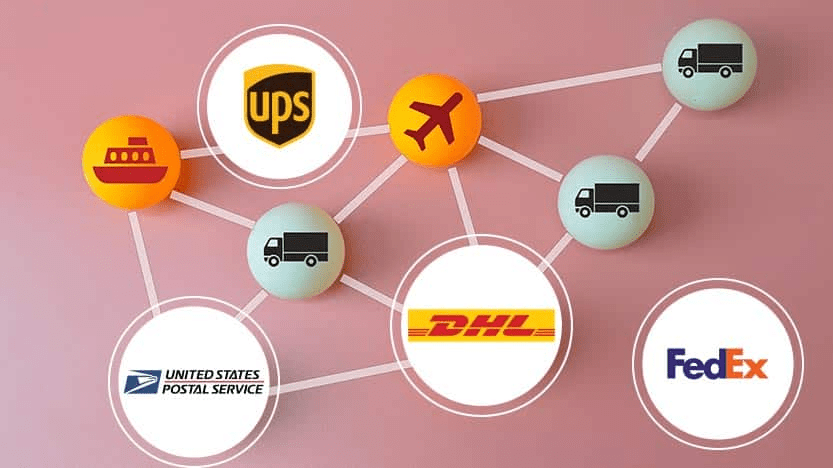
USPS, DHL, FedEx, UPS, and even local postal services all have different strengths. USPS may be cheaper for small parcels, while DHL or FedEx often deliver faster and with stronger tracking. Many sellers mix and match depending on the product and destination.
3. Use Etsy’s shipping profiles.
Shipping profiles save a lot of time. Instead of calculating each order from scratch, you can create presets for “domestic,” “Europe,” or “worldwide.” Buyers also like seeing clear rates and delivery times up front—it builds trust.
4. Don’t forget packaging, handling time, and insurance.
International parcels travel further and pass through more hands. That means sturdier packaging is worth the investment. Sellers often pad in an extra day or two of handling time, and some add insurance for fragile or high-value items.
5. Consider free shipping thresholds.
Many shoppers love the magic words “free shipping.” But internationally, costs can be high. One smart approach is setting a minimum order value—say $75 or $100—where you’ll cover shipping. That way, you encourage bigger orders while still protecting your margins.
The beauty of Etsy global selling is that you don’t have to get everything perfect at once. Start small, experiment with a few countries, test different carriers, and adjust as you go. Most successful sellers treat it as a learning curve rather than a one-time setup.
Pricing and Profit Strategy for International Sales
One of the biggest mistakes new global sellers make is underestimating how much shipping and fees will eat into their margins. Selling worldwide only works if you protect your profit, so pricing needs to be intentional.
Think beyond the product price. Every international order comes with added costs—shipping, packaging, customs fees, and sometimes even currency conversion differences. If you don’t factor those in from the start, you’ll feel like you’re working harder for less money.
Adjust your prices with confidence. Many sellers are nervous about raising prices for international buyers, but the reality is: people shopping for handmade or one-of-a-kind goods expect to pay more. What matters most is transparency. If your price reflects the true cost of getting that item safely to their door, most buyers will understand.
Offer choices, not one flat option. A single shipping rate can scare customers away. Instead, give them options: an economy rate for those willing to wait, and a faster tracked service for buyers who want peace of mind. It shows you respect their budget and their preferences.
Make shipping feel worth it. A clever strategy many sellers use is encouraging buyers to order more. For example, instead of paying $20 to ship one item, a customer might prefer spending $50–60 and getting several pieces shipped together. Bundling products or offering free shipping once the cart reaches a certain amount turns high shipping costs into less of a barrier.
At the end of the day, global selling is about balance—charging enough to stay profitable without scaring off buyers. The sweet spot comes from testing, adjusting, and being upfront with your audience about what they’re paying for.
Managing Customer Expectations Across Borders
Picture this: a buyer in Australia orders your handmade jewelry. You ship it out the next day, but three weeks later they message you—frustrated, convinced their package is lost. You know it’s stuck in customs, but from their side, it feels like silence. This is where clear communication makes or breaks a global sale.
Set the tone with policies. Your shop policies are like a safety net. If you explain up front how long international orders might take, who covers customs duties, and what happens if a package goes missing, buyers feel more secure before they even click “purchase.”
Be specific about delivery times. Instead of saying “ships worldwide,” try:
- US: 3–5 business days
- Europe: 10–14 business days
- Australia: up to 3 weeks
That small detail turns vague promises into real expectations.
Speak your buyer’s language—literally. You don’t have to be fluent in German, French, or Japanese to sell internationally, but small touches matter. Adding both inches and centimeters in your descriptions avoids confusion. Tools like Google Translate can help for quick messages, but keeping your tone warm and clear goes a long way.
Handle complaints with patience. Delays, taxes, or unexpected fees can frustrate buyers, but most aren’t blaming you personally—they just want answers. Responding quickly and calmly builds trust, even when the news isn’t ideal.
Global selling is a test of communication just as much as logistics. When customers know what to expect, they’re far more forgiving of delays or higher costs—and much more likely to order again.
Balancing Global vs. Local Sales
Some sellers worry that opening their shop to the world means they’ll lose focus on their home market. The truth is, you don’t have to choose. Local and global sales can work side by side, and often strengthen each other.
- Local sales as your foundation – Domestic buyers usually get faster shipping, fewer customs headaches, and more predictable costs. That stability keeps your shop steady while you experiment abroad.
- Global sales as gradual expansion – Instead of enabling worldwide shipping for everything, start with a few products that are easy to package, lightweight, and less fragile. If those items perform well overseas, build on that momentum and add more over time.
- Finding the sweet spot – The real power is balance: a strong local base that pays the bills, combined with an international presence that fuels long-term growth.
Global doesn’t have to mean all at once — it can simply be the next chapter in your Etsy journey.
Conclusion
Expanding your Etsy shop beyond local borders doesn’t mean losing focus at home—it means unlocking new opportunities. By starting with a solid domestic foundation, choosing the right products for international shipping, and taking a gradual approach, you can grow steadily into global markets. The key is balance: keep local sales strong while using global reach to scale your brand, connect with new audiences, and increase long-term revenue. With the right strategy, Etsy global selling isn’t overwhelming—it’s the natural next step in your shop’s journey. Read more in Blog Orichi