Starting your own clothing brand in 2026 is an 11-step process spanning niche selection, demand validation, product design, supplier sourcing, and e-commerce launch. Total startup costs range strictly from $100 (for print-on-demand models) to $20,000+ (for full custom manufacturing).
The process begins with identifying a specific niche (such as fitness, streetwear, or pet owners) and validating demand through competitor research and social platforms like TikTok, Etsy, and Reddit. Before investing in inventory, the idea is tested using mockups and print-on-demand orders, which require no upfront stock and let entrepreneurs gauge real purchase intent.
Once demand is confirmed, brand identity (name, logo, story) is established, followed by choosing a production model: print-on-demand ($100–$500), blank apparel with custom printing ($500–$3,000), private label ($2,000–$10,000+), or custom manufacturing ($5,000–$20,000+). The next steps cover designing a small first collection (1–5 products), sourcing suppliers, setting prices that account for total costs, registering the business legally, building an online store (commonly on Shopify), and marketing the brand before launch through email lists and small creator partnerships.
The most common failure points are targeting too broad an audience, over-ordering inventory before validating demand, and delaying marketing until launch day rather than building awareness weeks in advance.
Step 1. Find Your Clothing Brand Idea
Finding your clothing brand idea requires defining a clear target audience, calculating potential market margins, and selecting a highly specialized apparel category before designing any products.
Many beginners make the mistake of designing products first and looking for customers later. A better approach is to start with a specific group of people, understand what they already wear, and then create products they’ll actually want to buy.
Instead of asking, “What should I sell?”, ask yourself:
“Who do I want to wear my brand?”
Once you know the answer, every decision becomes easier, from choosing products and pricing to creating content and marketing your brand.
Choose a Niche You Know
A clothing niche works best when it targets a community that already buys apparel regularly, such as gym enthusiasts, streetwear fans, pet owners, or local sports fans.
Start with a community you already understand or genuinely enjoy being part of.
Some examples include:
- Gym and fitness enthusiasts
- Streetwear fans
- Outdoor and hiking communities
- Pet owners
- New parents
- Gamers
- Car enthusiasts
- Coffee lovers
- Local sports teams
- Music fans
Choose a community where people regularly buy clothing or enjoy expressing their lifestyle through what they wear. These customers are often more willing to support new brands that understand their interests.
Know Your Ideal Customer
After choosing your niche, define the type of customer you want to serve.
You don’t need a long customer profile. Start by answering a few simple questions.
- How old are they?
- What do they do for work?
- What are their hobbies?
- Which social media platforms do they use most?
- What clothing brands do they already buy?
- Why would they choose your brand instead?
Most importantly, ask yourself:
What problem does my clothing solve, or how does it make people feel?
For example, gym apparel isn’t just about clothing. It helps people feel confident during workouts. Streetwear isn’t just about fashion. It helps people express their identity and lifestyle.
The better you understand your customers, the easier it becomes to create products they actually want to wear.
Check If People Are Already Buying
Before spending time designing products or building a website, validate market demand by conducting a focused 30-minute data audit using these specialized research tools:
- Google Trends & Glimpse: Analyze search volume stability, detect seasonal apparel spikes, and track long-term interest trajectories for your specific niche keywords.
- TikTok Creative Center: Identify trending apparel hashtags, analyze viral audio retention patterns, and monitor real-time fast-fashion aesthetics directly driving consumer behavior.
- SpyFu & Amazon Best Sellers: Audit competing brand search terms, analyze customer review volume, and track top-moving products to identify high-demand items within your clothing category.
Research Other Clothing Brands
Find five brands that sell to the same audience you’re targeting.
Instead of copying their designs, study how they position themselves.
Pay attention to:
- Their best-selling products
- Product prices
- Collections
- Product descriptions
- Customer reviews
- Social media content
Customer reviews are especially valuable because they tell you exactly what people like and what they wish were better.
For example, customers might mention:
- Limited size options
- Poor fabric quality
- Slow shipping
- Basic designs
- High prices
These are opportunities to improve your own brand.
Find What Makes Your Brand Different
You don’t need to reinvent fashion to build a successful clothing brand.
You simply need to give customers one clear reason to choose your brand over another.
That reason could be:
- Designs made for a specific community
- Better-quality materials
- Limited-edition collections
- A unique fit or style
- Original artwork
- A memorable brand story
If you can answer this question in one sentence, you’re on the right track:
Why should someone buy from your clothing brand instead of another one?
If the answer isn’t clear yet, spend more time refining your idea before moving to the next step.
Before continuing, complete these five tasks.
- Write down one niche you want to focus on.
- List five clothing brands your customers already buy.
- Write down three common complaints customers have about those brands.
- Describe what makes your brand different in one sentence.
- Explain who your ideal customer is in one sentence.
If you can complete these exercises confidently, you’ve built a strong foundation for the next step: testing your idea before investing money.
Step 2. Test Your Idea
Testing your clothing concept isolates market demand from financial risk before you manufacture any physical inventory. Instead of guessing what customers might like, gather real-world data first.
Create Simple Product Mockups: Do not spend thousands on finished products early. Use digital design platforms like Canva, Adobe Photoshop, or dedicated print-on-demand mockup generators (Printful, Printify) to create realistic 3D product renders. Focus heavily on the core design rather than advanced packaging or storefront logistics.
Create Simple Product Mockups
You don’t need finished products to test your clothing brand.
Use free or affordable design tools like Canva, Photoshop, or print-on-demand mockup generators to create realistic images of your products.
Start with one or two designs instead of an entire collection. This allows you to gather feedback quickly and make changes before investing more time.
Keep your first mockups simple. Focus on the design, not the packaging or website.
Share Your Idea Online
Once you have a few mockups, show them to the people you want to sell to.
You can post them on:
- TikTok
- Facebook Groups
- Discord communities
Instead of asking,
“Do you like this?”
Ask questions that encourage honest feedback, such as:
- Which design would you wear?
- Which color do you prefer?
- How much would you pay for this?
- What would you change?
The more specific your questions are, the more useful the answers will be.
Watch What People Do, Not Just What They Say
Friends and family often tell you your idea is great because they want to be supportive.
Real customers behave differently.
Pay attention to actions instead of compliments.
For example:
- Do people save your post?
- Do they share it with friends?
- Do they comment without being asked?
- Do they ask where they can buy it?
- Do they join your email list?
These actions are much stronger signs of demand than someone simply saying, “Looks nice.”
Try Print-on-Demand First
If your designs receive positive feedback, consider launching them with a print-on-demand service before ordering inventory.
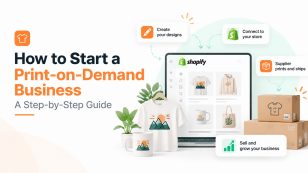
Print-on-demand allows you to sell products without buying stock in advance. Each item is printed only after a customer places an order.
This approach helps you:
- Test demand with less financial risk.
- Discover which designs sell best.
- Avoid storing unsold inventory.
- Learn what customers actually want before scaling.
Many successful clothing brands started this way before moving to bulk manufacturing.
Know When You’re Ready to Move Forward
There isn’t a perfect number that guarantees success, but look for positive signals before investing more money.
You may be ready for the next step if:
- People consistently engage with your designs.
- You receive genuine purchase inquiries.
- One or two designs perform much better than the others.
- You begin collecting email subscribers or pre-orders.
- Customers are willing to pay your target price.
If none of these happen, don’t see it as a failure.
Use the feedback to improve your designs, test another audience, or refine your brand before moving forward.
Before moving to the next step, complete this checklist.
- Create two product mockups.
- Share them with your target audience.
- Collect at least 20 pieces of feedback.
- Identify your best-performing design.
- Decide whether your idea is ready for production or needs more testing.
Testing your idea now is much less expensive than discovering problems after you’ve already invested in inventory, packaging, and a full website.
Step 3. Create Your Brand
Once you’ve confirmed that people are interested in your idea, it’s time to turn that idea into a real brand.
A strong clothing brand is more than a logo or a catchy name. It’s the reason customers recognize your products, remember your business, and come back for future collections.
Keep it simple. Your first goal is to build a brand that feels clear and consistent.
Choose a Brand Name
Your brand name should be easy to remember, easy to spell, and easy to search online.
Before making a final decision, check that:
- The domain name is available.
- The social media handles are available.
- Another clothing brand isn’t already using the same or a similar name.
Avoid names that are difficult to pronounce or too closely tied to a short-term trend. A timeless name gives your brand more room to grow.
Create a Simple Logo
Your first logo doesn’t need to be perfect.
Many successful brands started with clean, simple logos and updated them as they grew.
Focus on creating a logo that:
- Looks good in black and white.
- Works on clothing labels and packaging.
- Is easy to recognize at different sizes.
- Matches your brand’s style.
Remember, customers buy great products and memorable brands, not complicated logos.
Tell Your Brand Story
People often connect with the story behind a brand just as much as the products themselves.
Your story doesn’t have to be dramatic. Simply explain:
- Why you started the brand.
- Who you’re creating it for.
- What you hope customers feel when they wear your products.
A genuine story helps people remember your brand and creates a stronger emotional connection.
Create a Consistent Brand Style
Your clothing, website, packaging, and social media should all feel like they belong to the same brand.
Think about:
- Your colors
- Your fonts
- Your photography style
- The tone of your writing
Consistency builds trust. When customers recognize your brand wherever they see it, they’re more likely to remember and buy from you.
Write Your Brand Message
Before moving to the next step, try describing your brand in one or two simple sentences.
For example:
We create comfortable, minimalist workout apparel for women who want to feel confident in and out of the gym.
A clear brand message helps guide everything you do, from designing new products to writing product descriptions and creating social media content.
Complete these tasks before moving on:
- Choose your brand name.
- Secure your domain name and social media accounts.
- Create a simple logo.
- Write your brand story in three to five sentences.
- Describe your brand in one sentence.
Once you’ve finished these steps, you’ll have a clear brand identity that’s ready for product design and production.
Step 4. Choose How You Want to Sell
Now that you have a clear brand idea, it’s time to decide how you’ll bring your products to customers.
There isn’t one “best” way to start a clothing brand. The right option depends on your budget, your goals, and how much control you want over your products.
Many successful brands start with a simple business model and change as they grow.
Print-on-Demand
Print-on-demand requires no upfront inventory and costs $100–$500 to start, making it the lowest-risk option for testing new designs before committing to larger production.
Print-on-demand (POD) is one of the easiest ways to launch a clothing brand with a small budget.
Instead of buying inventory upfront, products are printed only after a customer places an order. The print-on-demand company handles production and shipping for you.
Best for:
- Beginners
- Small budgets
- Testing new designs
- Selling online
Pros
- No inventory to manage
- Low startup costs
- Easy to launch
- Less financial risk
Cons
- Lower profit margins
- Less control over product quality
- Fewer customization options
For bootstrapped entrepreneurs in 2026, Print-on-Demand (POD) is the safest low-barrier production model because it eliminates upfront inventory costs entirely.
Blank Apparel with Custom Printing
This model involves purchasing blank garments and adding designs via screen printing or embroidery, offering higher profit margins than print-on-demand but requiring $500–$3,000 in upfront inventory costs.
You’ll need to purchase inventory before making sales, but you’ll usually earn higher profit margins than with print-on-demand.
Best for:
- Local clothing brands
- Small businesses
- Limited product collections
Pros
- Better profit margins
- More control over quality
- Faster production for repeat orders
Cons
- Upfront inventory costs
- Storage requirements
- Unsold products become your responsibility
Private Label
Private label customizes existing clothing styles with original branding and colors, costing $2,000–$10,000+ and suited to brands ready to scale with stronger perceived quality.
Private label allows you to customize existing clothing styles by adding your own labels, branding, colors, or small design changes.
This option gives your brand a more professional appearance without creating products completely from scratch.
Best for:
- Growing brands
- Businesses ready to scale
- Brands looking for more customization
Pros
- Stronger brand identity
- Better product quality
- Higher perceived value
Cons
- Higher startup costs
- Larger minimum orders
- Longer production times
Custom Manufacturing
Custom manufacturing builds garments entirely from scratch, covering fabric, pattern, and construction, costing $5,000–$20,000+ and offering full creative control for premium or established brands.
This option gives you complete control over your products but also requires the most time, money, and experience.
Best for:
- Established brands
- Premium clothing lines
- Businesses with larger budgets
Pros
- Complete creative control
- Unique products
- Strong brand differentiation
Cons
- High production costs
- Large minimum order quantities (MOQs)
- Longer development process
Which Option Should You Choose?
If you’re not sure where to start, use this simple guide.
| If you… | A good option is… |
|---|---|
| Have a limited budget | Print-on-demand |
| Want to test new designs | Print-on-demand |
| Want better profit margins | Blank apparel with custom printing |
| Want to build a premium brand | Private label |
| Want fully custom products | Custom manufacturing |
Remember, your first business model doesn’t have to be your final one.
Many successful clothing brands begin with print-on-demand to test demand, switch to local printing as sales grow, and eventually move to private label or custom manufacturing when they’re ready to scale.
Before moving to the next step, answer these questions:
- How much money can you invest today?
- Do you want to avoid holding inventory?
- How much control do you want over your products?
- Which business model best matches your current goals?
Choosing the right model now will help you avoid unnecessary costs and make the next step, designing your first products, much easier.
Step 5. Design Your First Products
With your business model in place, it’s time to create the products you’ll sell.
Many new clothing brands make the mistake of launching too many products at once. Instead of trying to build a large collection, focus on creating a few high-quality products that represent your brand well.
Starting small allows you to launch faster, gather customer feedback, and improve future collections based on real sales.
Choose Your First Products
For most beginners, the best products to start with are basic items that people already wear often, such as T-shirts, hoodies, hats, and tote bags. These products are easier to design, easier to photograph, and easier to test before investing in a larger collection.
You don’t need to launch with every product at once. Start with one or two product types and focus on making them strong.
For example, you could start with:
- Three T-shirt designs
- One hoodie design
- One hat
- One tote bag
These products work well for new clothing brands because they are familiar to customers and usually don’t require complex sizing or custom manufacturing.
The most profitable product is not always the most expensive one. A product becomes profitable when it has clear demand, healthy margins, and a customer who understands why they should buy it.
Before choosing your first products, ask:
- Will my target customer actually wear this?
- Is this product easy to produce?
- Can I price it with enough profit?
- Can I create good photos and content for it?
- Can I test it without buying too much inventory?
Create Your Designs
You don’t have to be a professional designer to start a clothing brand.
Depending on your skills and budget, you can:
- Design the artwork yourself.
- Hire a freelance designer.
- Work with a design agency.
- Buy commercial-use design assets and customize them.
Keep your first designs simple. Clean, timeless designs are often more successful than overly complicated artwork.
Order Samples Before You Sell
Never sell products you haven’t seen in person.
Before launching, order samples to check:
- Fabric quality
- Print quality
- Colors
- Sizing
- Overall fit
Testing samples helps you catch problems early and gives you confidence when promoting your products.
Build a Small First Collection
Resist the temptation to launch with dozens of designs.
Instead, keep the product mix outlined earlier, a few T-shirt designs alongside one or two complementary items like a hoodie or hat so the collection feels connected rather than scattered.
A smaller collection is easier to photograph, market, and manage while helping customers quickly understand what your brand stands for.
You can always add new products after learning what your customers like best.
Prepare Product Photos
Your product photos are often the first thing customers notice.
Whenever possible, use real photos instead of mockups.
Show your products from multiple angles and include close-up images that highlight the fabric, print quality, and important details.
Lifestyle photos can also help customers imagine themselves wearing your products.
Before moving to the next step, complete this checklist.
- Choose one or two products for your first launch.
- Finish your first designs.
- Order product samples.
- Review the quality and fit.
- Prepare your product photos.
Once you’ve completed these tasks, you’re ready to find suppliers or production partners for your clothing brand.
Step 6. Find a Clothing Supplier
Sourcing a reliable manufacturer directly dictates your product quality, profit margins, and supply chain scalability. Take your time to compare options beyond price alone.
Locate Qualified Manufacturers:
- Overseas Sourcing: Utilize Alibaba and Global Sources to filter apparel manufacturers based in major textile hubs like Vietnam, China, or Bangladesh.
- Domestic Sourcing: Use verified supplier directories such as ThomasNet and Maker’s Row to locate local apparel factories.
Critical Industry Certifications for Brand Trust:
Never partner with a facility without validating their regulatory compliances. Prioritize factories holding audited credentials:
- WRAP (Worldwide Responsible Accredited Production): Ensures ethical manufacturing, safe environments, and lawful human resource practices.
- OEKO-TEX Standard 100: Certifies that the textiles, threads, and chemical dyes used contain zero harmful substances.
- GSM Calibration: Request the specific GSM (Grams per Square Meter) weight of the fabric blanks to verify thickness and premium feel before placing a bulk order.
Choose Local or Overseas Suppliers
Most clothing brands work with either local or overseas suppliers.
Local suppliers are often easier to communicate with and usually offer faster shipping, but production costs may be higher.
Overseas suppliers can provide lower manufacturing costs and more production options, although shipping times are typically longer and communication may require extra attention.
There isn’t a single right choice. Compare both options based on your budget, timeline, and business goals.
Find Potential Suppliers
Sourcing a reliable manufacturer directly dictates your product quality, profit margins, and supply chain scalability.
Locate Qualified Manufacturers:
- Overseas Sourcing: Utilize Alibaba and Global Sources to filter apparel manufacturers based in major textile hubs like Vietnam, China, or Bangladesh.
- Domestic Sourcing: Use verified supplier directories such as ThomasNet and Maker’s Row to locate local apparel factories.
Verify Industry Certifications (Critical for Brand Trust):
Never partner with a facility without validating their regulatory compliances. Prioritize factories holding audited certifications:
- WRAP (Worldwide Responsible Accredited Production): Ensures ethical manufacturing and lawful human resource practices.
- OEKO-TEX Standard 100: Certifies that the textiles, threads, and dyes used contain zero harmful chemical substances.
- GSM Calibration: Request the specific GSM (Grams per Square Meter) weight of the fabric blanks to verify thickness and premium quality before placing a bulk order.”
Ask the Right Questions
Before selecting a supplier, brands should compare minimum order quantity, production time, sample availability, payment terms, customization options, and shipping methods across at least three candidates.
Important questions include:
- What is your minimum order quantity (MOQ)?
- How long does production take?
- Can I order samples?
- What are your payment terms?
- Can you customize products?
- What shipping options do you offer?
Their answers will help you compare suppliers beyond price alone.
Order Samples Before Choosing a Supplier
Never choose a supplier based only on photos or promises.
Order samples from your top choices and compare:
- Fabric quality
- Print quality
- Stitching
- Sizing
- Packaging
- Overall consistency
Testing samples now can prevent costly mistakes after launch.
Build a Long-Term Relationship
Your first supplier doesn’t have to be your last, but it’s worth building a good working relationship with reliable partners.
Pay invoices on time, communicate clearly, and provide detailed feedback. Strong supplier relationships often lead to better service, improved pricing, and smoother production as your business grows.
Before moving to the next step, complete this checklist.
- Create a list of at least five suppliers.
- Contact your top three choices.
- Compare their prices, MOQs, and production times.
- Order samples from your favorite suppliers.
- Choose the supplier that offers the best overall value, not just the lowest price.
Finding the right supplier takes time, but it’s one of the most important decisions you’ll make before launching your clothing brand.
Step 7. Set Your Prices
Setting the right price is just as important as designing a great product.
Price your products too high, and customers may choose another brand. Price them too low, and you may struggle to cover your costs or grow your business.
Instead of copying another brand’s prices, understand what it actually costs to sell each product.
Know Your Total Cost
Before setting a selling price, calculate everything that goes into one product.
Your total cost may include:
- Product cost
- Printing or manufacturing
- Packaging
- Shipping supplies
- Payment processing fees
- Marketplace or ecommerce platform fees
- Marketing costs
Many new business owners only count the manufacturing cost and forget about the rest, leading to lower profits than expected.
Research Market Prices
Look at brands that sell similar products to the same audience.
Compare:
- Product quality
- Materials
- Brand positioning
- Selling prices
Don’t choose the lowest price simply to compete. Customers often compare value, not just cost.
If your products offer better quality, unique designs, or a stronger brand experience, many customers are willing to pay more.
Leave Room for Profit
Your selling price should allow your business to grow, not just cover today’s expenses.
A healthy profit helps you:
- Order more inventory
- Launch new collections
- Invest in marketing
- Handle unexpected costs
If every sale only breaks even, it will be difficult to build a sustainable clothing brand.
Review Your Prices Regularly
Pricing isn’t something you set once and never change.
As your brand grows, review your prices based on:
- Changes in production costs
- Shipping costs
- Customer demand
- Product improvements
- Market trends
Many successful clothing brands adjust their pricing over time as they build trust and increase the value of their products.
Before moving to the next step, complete these tasks.
- Calculate the total cost of one product.
- Research the prices of five similar brands.
- Decide on a price that covers your costs and leaves room for profit.
- Review your pricing before launch.
A well-priced product doesn’t just generate sales. It gives your clothing brand the profit it needs to keep growing.
Step 8. Register Your Business
Before you start selling, take a few steps to make your clothing brand a legitimate business.
The exact requirements depend on your country or state, but registering your business early can help you operate more professionally, protect your brand, and avoid legal issues as you grow.
If you’re unsure about the requirements where you live, check your local government website or speak with a legal or tax professional.
Register Your Business
Choose a business structure that fits your needs before accepting your first order.
Many small clothing brands start as a sole proprietorship or a limited liability company (LLC), depending on local regulations.
Registering your business can help you:
- Separate your personal and business finances.
- Build trust with customers and suppliers.
- Open a business bank account.
- Prepare for future growth.
Choose the structure that’s appropriate for your location and long-term goals.
Open a Business Bank Account
Keeping your business and personal money separate makes it much easier to manage your finances.
A dedicated business account helps you:
- Track income and expenses.
- Simplify bookkeeping.
- Prepare for tax filing.
- Build a more professional business.
Even if you’re just starting, this habit can save time as your brand grows.
Understand Taxes and Permits
Depending on where you sell, you may need to register for sales tax or obtain permits before collecting payments from customers.
Take time to understand:
- Sales tax requirements.
- Business licenses.
- Local permits.
- Record-keeping requirements.
Following the rules from the beginning helps you avoid unexpected problems later.
Protect Your Brand
As your clothing brand grows, protecting your name becomes increasingly important.
Consider checking whether your brand name is already being used and whether trademark protection is available in your country.
Protecting your brand early can help prevent confusion and reduce the risk of legal disputes in the future.
Before launching your clothing brand, complete this checklist.
- Register your business if required.
- Open a business bank account.
- Learn about your local tax requirements.
- Check whether your brand name is available.
- Create a simple system for tracking your income and expenses.
Once you’ve completed these steps, you’ll be ready to build your online store and start accepting orders with confidence.
Step 9. Set Up Your Online Store
To optimize for high conversion rates and allow AI search crawlers to index your inventory, ensure every single product page features these 7 structural attributes:
- High-Resolution Photography: Multi-angle studio shots and 4K macro close-ups of fabric stitching.
- Technical Specifications: Accurate GSM weight, fabric composition (e.g., 100% Organic Cotton, Poly-blend).
- Dynamic Size Chart: Exact measurements in inches/cm alongside weight/height recommendations.
- Clear Pricing & Payment Transparency: Visible unit cost, discount thresholds, and active payment gateway icons (Shop Pay, PayPal).
- Fabric Care Instructions: Explicit washing, drying, and ironing guidelines.
- Shipping Estimates & Return Policy: Clear transit timelines and a transparent 14-day return framework.
- Social Proof Widgets: Verified user-generated reviews and photo-upload sections.
Choose an Ecommerce Platform
Start by choosing a platform that fits your business.
Many new clothing brands choose Shopify because it’s easy to set up, supports online payments, and offers thousands of apps to help manage and grow a store.
Other ecommerce platforms are available, but choose one that matches your budget, technical skills, and long-term goals.
Buy a Domain Name
A custom domain makes your business look more professional and easier to remember.
When choosing a domain:
- Keep it short and simple.
- Match your brand name whenever possible.
- Avoid numbers and unnecessary hyphens.
- Choose an extension your customers recognize.
A memorable domain helps customers find your store again and strengthens your brand.
Add Your Products
A complete product page answers seven core customer questions before purchase: clear photos, descriptions, size information, available colors, materials, care instructions, and shipping information.
Include:
- Clear product photos
- Product descriptions
- Size information
- Available colors
- Materials
- Care instructions
- Shipping information
The more helpful your product pages are, the more confident customers will feel when placing an order.
Set Up Payments and Shipping
Before launching your store, make sure customers can complete their purchases without problems.
Check that:
- Your payment methods are working.
- Shipping rates are accurate.
- Delivery options are clear.
- Order confirmation emails are enabled.
- Your return policy is easy to find.
Testing these details before launch helps prevent customer frustration later.
Prepare Your Store for Growth
As your clothing brand scales, your day-to-day focus will shift from product design to storefront optimization, inventory tracking, and marketing automation. Managing these moving parts manually can quickly become overwhelming for solo founders.
If you are building your boutique on Shopify, utilizing the right ecosystem of plugins is critical to streamline your workflow and maximize your average order value (AOV) from day one.
💡 Expert Recommendation: To eliminate the guesswork of hunting through the app store, explore our curated breakdown of the Best Shopify Apps by Orichi to discover the exact automated tools you need to optimize your checkout flow, manage print-on-demand logistics, and scale your operations seamlessly.
Step 10. Market Your Brand Before You Launch
Pre-launch marketing builds early transactional velocity weeks before your digital storefront officially opens. Do not wait until launch day; instead, execute a modern social commerce strategy:
- Leverage Social Commerce Platforms: Establish a consistent organic presence on visual-first channels like Instagram and TikTok.
- Deploy Affiliate Automation (2026 Framework): For immediate market traction, set up a TikTok Shop Merchant Account before your official launch. This unlocks direct access to the TikTok Shop Affiliate Marketplace.
- Scale with Micro-Creators: Use the marketplace to automate product sample distribution and recruit targeted armies of micro-creators. This ensures your clothing line is actively promoted via short-form videos and live commerce streams weeks before your store drops, driving immediate pre-orders and email sign-ups.
Share Your Brand Journey
People enjoy following the story behind a new brand.
Show your audience what happens behind the scenes, such as:
- Designing new products
- Testing samples
- Choosing fabrics
- Packaging orders
- Preparing for launch
These updates help people feel connected to your brand long before they become customers.
Post Consistently on Social Media
Choose one or two platforms where your target audience spends the most time.
For many clothing brands, Instagram and TikTok are good places to start because they focus on visual content.
Share a mix of:
- Product previews
- Styling ideas
- Behind-the-scenes videos
- Customer polls
- Short videos showing your products
Posting consistently is more important than posting perfectly.
Build an Email List
Social media can help people discover your brand, but an email list gives you a direct way to reach interested customers.
Before launch, encourage visitors to join your email list in exchange for:
- Early access
- Launch updates
- Exclusive discounts
- Limited-edition products
On launch day, your email subscribers are often your first customers.
Work With Small Creators
You don’t need celebrities to promote your brand.
Many small creators have highly engaged audiences and are often more affordable to work with.
Look for creators whose audience matches your target customers.
Instead of focusing only on follower count, pay attention to:
- Engagement
- Content quality
- Audience fit
- Authenticity
A creator with 10,000 loyal followers can often drive better results than someone with 500,000 inactive followers.
Create Excitement Before Launch
Give people a reason to come back on launch day.
Simple ideas include:
- Countdown posts
- Product sneak peeks
- Behind-the-scenes updates
- Limited launch discounts
- Early access for email subscribers
The goal is to build anticipation so customers are already waiting when your store opens.
Complete these tasks before launch.
- Choose your main social media platform.
- Publish your first five posts.
- Create an email signup page.
- Contact five creators in your niche.
- Announce your launch date.
By the time you launch your clothing brand, people should already know who you are, what you sell, and when they can buy.
Step 11. Launch Your Clothing Brand
After weeks of planning and preparation, you’re ready to launch your clothing brand.
Remember that your first launch doesn’t have to be perfect. The goal is to start selling, learn from real customers, and improve over time.
Many successful clothing brands began with a small product collection and continued growing based on customer feedback.
Double-Check Everything
Before opening your store, go through one final review.
Make sure that:
- Every product page is complete.
- Prices are correct.
- Payments are working.
- Shipping rates are accurate.
- Your contact information is easy to find.
- Your return policy is published.
It’s also a good idea to place a test order yourself to experience the buying process from a customer’s perspective.
Announce Your Launch
Let people know your store is officially open.
Share your launch across every channel you’ve already built, including:
- Your email list
- TikTok
- Other communities where you’ve been sharing your journey
Make it easy for people to visit your store and place an order.
Focus on Your First Customers
Your first customers are more than just your first sales. They’re your first opportunity to learn.
Pay attention to:
- Which products sell first.
- Questions customers ask.
- Reviews they leave.
- Feedback about sizing, quality, or shipping.
This information will help you improve your products and future collections.
Keep Improving
Don’t expect everything to be perfect on day one.
Every order teaches you something about your customers and your business.
Continue improving your:
- Products
- Product pages
- Photos
- Marketing
- Customer experience
Small improvements over time often have a much bigger impact than trying to make everything perfect before launch.
Before announcing your clothing brand, make sure you’ve completed these tasks.
- Your online store is live.
- Products are available to order.
- Payments have been tested.
- Shipping is ready.
- Your launch announcement is scheduled.
- Friends or customers have tested your checkout process.
Congratulations! You’ve officially launched your clothing brand.
The next sections will help you understand your startup costs, avoid common mistakes, and answer some of the most common questions new clothing brand owners ask.
How Much Does It Cost to Start a Clothing Brand?
The cost of starting a clothing brand depends on how you choose to sell your products.
Some people launch with less than a few hundred dollars using print-on-demand, while others invest thousands of dollars in inventory, custom manufacturing, and branding before making their first sale.
Your budget should match your business model and your goals.
| Business Model | Estimated Startup Cost | Best For |
|---|---|---|
| Print-on-Demand | $100-$500 | Testing ideas with low risk |
| Blank Apparel with Custom Printing | $500-$3,000 | Small local or online brands |
| Private Label | $2,000-$10,000+ | Growing brands |
| Custom Manufacturing | $5,000-$20,000+ | Premium or large product collections |
These estimates may vary depending on your products, suppliers, marketing budget, and location.
What You’ll Spend Money On
Clothing brand startup expenses typically span nine categories: product samples, design, manufacturing or printing, packaging, a domain name, an ecommerce platform, marketing, shipping supplies, and business registration. Not every business will carry all nine, but budgeting for each early helps avoid unexpected costs.
Start Small When Possible
Many successful clothing brands didn’t launch with hundreds of products or large inventories.
Instead, they started with:
- A small product collection.
- A limited budget.
- One clear target audience.
- Real customer feedback.
Growing slowly often costs less and gives you more opportunities to improve before making larger investments.
If this is your first clothing brand, focus on proving that people want your products before spending heavily on inventory or custom manufacturing.
Launching with a smaller budget and scaling over time is often less risky than investing thousands of dollars before making your first sale.
Common Mistakes to Avoid
Starting a clothing brand is a learning process, and every mistake teaches you something. The good news is that many of the most common mistakes are easy to avoid once you know what to look for.
Here are the mistakes new clothing brand owners make most often.
Trying to Sell to Everyone
One of the biggest mistakes is creating products for “everyone.”
When your brand tries to appeal to everyone, it usually connects with no one.
Instead, focus on one specific audience first. As your business grows, you can always expand into new products or customer groups.
Ordering Too Much Inventory
Buying hundreds of products before making your first sale is risky.
No matter how confident you are in your designs, you won’t know what customers actually want until they start buying.
Start with a small collection, test demand, and let real sales guide your future production.
Skipping Market Research
Many beginners spend weeks designing products without checking whether people are already buying similar items.
Before investing your time and money, research your competitors, study customer reviews, and understand what your target audience is looking for.
Good research helps you make better business decisions.
Copying Other Brands
It’s normal to learn from successful brands, but copying their products, designs, or marketing won’t help your business stand out.
Instead, study what works, then create something that reflects your own brand and the audience you want to serve.
Customers remember brands that feel original.
Waiting Until Launch Day to Start Marketing
Many new clothing brands build a great website, upload products, and wait for customers to arrive.
Unfortunately, that’s rarely how it works.
Start sharing your brand long before launch day. Building an audience early gives you a much better chance of making sales as soon as your store opens.
Expecting Success Overnight
Most successful clothing brands didn’t become profitable in their first week or even their first few months.
Building a loyal customer base takes time.
Focus on learning, improving, and serving your customers well. Consistent progress is far more important than trying to grow as quickly as possible.
Key Takeaway
Every successful clothing brand started as a beginner.
You don’t need to avoid every mistake. You simply need to avoid the expensive ones.
Start with a clear niche, test your ideas before investing, launch with a small collection, and improve based on real customer feedback.
That’s a much more reliable path than trying to build the perfect brand before making your first sale.
Frequently Asked Questions
How To Start a Clothing Brand With No Money?
Yes, but you’ll need to keep your startup costs as low as possible.
Many first-time business owners begin with print-on-demand because they don’t have to buy inventory upfront. You’ll still need a small budget for expenses like a domain name, product samples, branding, or marketing, but you can start much more affordably than with traditional manufacturing.
How Much Money Do I Need to Start a Clothing Brand?
The amount depends on your business model.
If you use print-on-demand, you may be able to start with a few hundred dollars. If you plan to buy inventory or work with a custom manufacturer, you’ll likely need a larger budget for product development, samples, production, branding, and marketing.
The safest approach is to start with a budget you can afford and scale as your sales grow.
What Type of Clothing Is Most Profitable?
High-margin lifestyle and performance apparel, such as custom activewear (gym leggings, sports bras) and heavyweight streetwear (300+ GSM hoodies, oversized tees), offer the highest profit margins, typically ranging between 60% to 80% when sourced via Private Label or direct custom manufacturing.
Can I Start a Clothing Brand From Home?
Yes.
Many successful clothing brands started from home using ecommerce platforms, print-on-demand services, or local suppliers. As your business grows, you can expand your operations without changing your brand or business model.
Should I Start With Print-on-Demand?
For most beginners, yes.
Print-on-demand lets you test your ideas without buying inventory upfront, making it a lower-risk way to launch a clothing brand. Once you understand what your customers want, you can decide whether moving to local production, private label, or custom manufacturing makes sense for your business.
How Many Products Should I Launch With?
Start with a small collection.
Launching with one to five products is usually enough for your first release. A smaller collection is easier to manage, easier to market, and gives you a chance to learn what customers like before expanding.
Do I Need an LLC to Start a Clothing Brand?
Not necessarily.
The right business structure depends on where you live and how you plan to operate your business. Many small clothing brands start as a sole proprietorship or an LLC.
Before registering your business, check your local requirements or speak with a legal or tax professional if you need guidance.
How Long Does It Take to Start a Clothing Brand?
It depends on how you choose to build your brand.
A print-on-demand business can often be launched within a few weeks, while a custom clothing brand may take several months because of product development, sampling, and manufacturing.
The timeline is less important than making sure you’ve tested your idea and prepared for a successful launch.