TikTok isn’t just a place for viral dances and trending memes anymore—it’s evolved into one of the most powerful e-commerce platforms in the world. In 2025, TikTok Shop is booming, giving creators, small businesses, and even legacy brands a direct way to sell products inside the app, right where the attention already is.
But just how much does it cost to tap into that potential?
If you’re thinking of selling on TikTok Shop this year, you’re probably wondering about fees, commissions, and the real price behind those viral product wins. The truth is, while TikTok Shop doesn’t have the same upfront costs as Amazon or Shopify, there are still important expenses to factor in—especially if you want to keep your margins healthy.
This guide breaks down exactly what TikTok Shop charges in 2025: from commissions and shipping costs to hidden fees you might not expect. Whether you’re a content creator launching your first product or a brand looking to expand your reach, understanding these numbers will help you sell smarter—and more profitably.
TikTok Shop Fees in 2025: What Sellers Actually Pay
Selling on TikTok Shop might feel “free” at first glance—there’s no monthly subscription and no upfront listing charge—but like any platform, it earns revenue through transaction-based fees. In 2025, TikTok’s fee structure remains relatively simple, but small changes from previous years could make a real difference to your profit margin if you’re not paying attention.
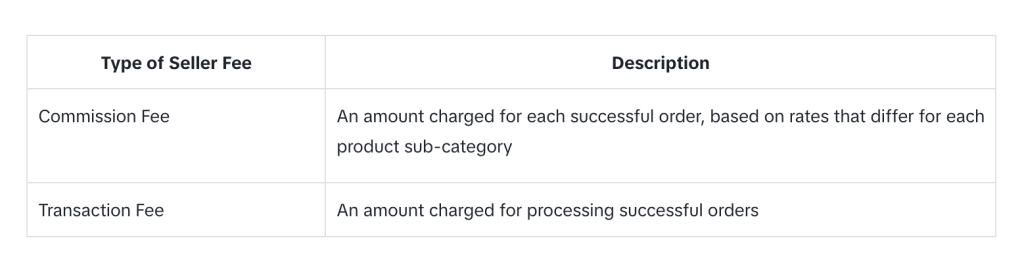
Here’s what you can expect when it comes to core selling fees:
- Commission Fees: TikTok charges a percentage of each sale. In most categories, the standard rate in 2025 is around 6% to 8%, though some high-risk or high-return categories (like electronics or beauty) may see slightly higher fees. This fee is automatically deducted from the order total before payouts.
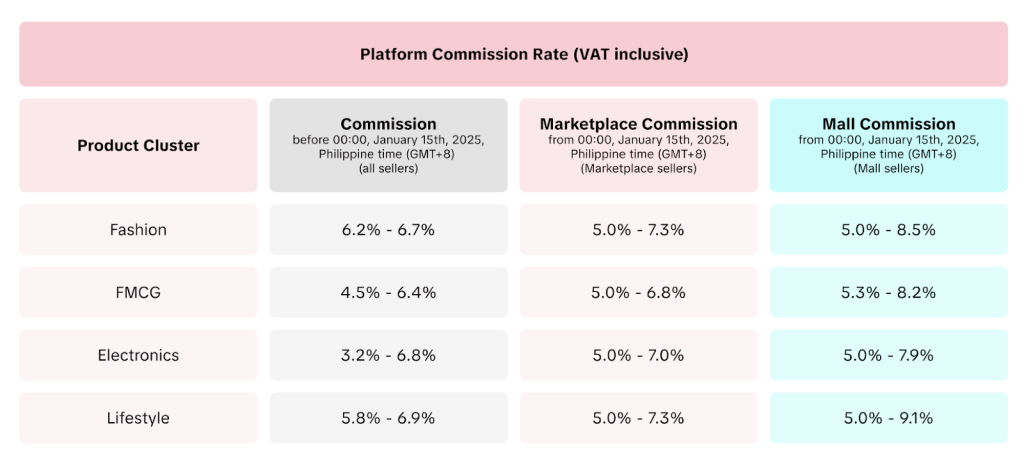
- Payment Processing Fee: This covers third-party transaction costs (e.g., Stripe or TikTok’s native checkout system). It’s typically bundled with the commission fee, so you may not see it listed separately—but it’s baked into the percentage TikTok keeps.
- Returns & Disputes: TikTok expects sellers to cover return shipping in most cases. Frequent return requests or disputes could add indirect costs if you’re not managing customer expectations clearly.
- Shipping & Logistics: If you fulfill orders yourself, shipping costs are on you. However, if you use TikTok’s Fulfilled by TikTok (FBT) service, you’ll pay additional fees for warehousing and delivery. In return, you get faster shipping times and potential algorithm boosts.
Example: Let’s say you sell a $40 product. With an 8% commission and no affiliate attached, TikTok would take $3.20. If you also paid $5 in shipping and used a creator affiliate with a 10% cut, your take-home could drop to around $27—or lower if ad spend is factored in.
Bottom line: while TikTok Shop doesn’t nickel-and-dime sellers with platform subscriptions, its variable percentage-based fees can quietly add up—especially when creators, ads, and fulfillment services are involved.
Is There a Listing Fee or Subscription to Sell on TikTok Shop in 2025?
Good news for new and growing sellers: as of 2025, TikTok Shop still doesn’t charge any monthly subscription or product listing fees. That means you can set up a storefront, list unlimited products, and start selling without paying anything upfront—something that sets it apart from platforms like Amazon, Shopify, and Etsy.
This “zero-barrier” approach is one reason so many creators and small businesses have jumped into TikTok commerce. It’s especially attractive if you’re testing a product or validating an idea before investing in a full-blown e-commerce setup.
That said, while the core platform remains free to access, TikTok has introduced optional tools and features that come with added costs. These are not required—but can be valuable if you’re looking to scale or get an edge in the marketplace:
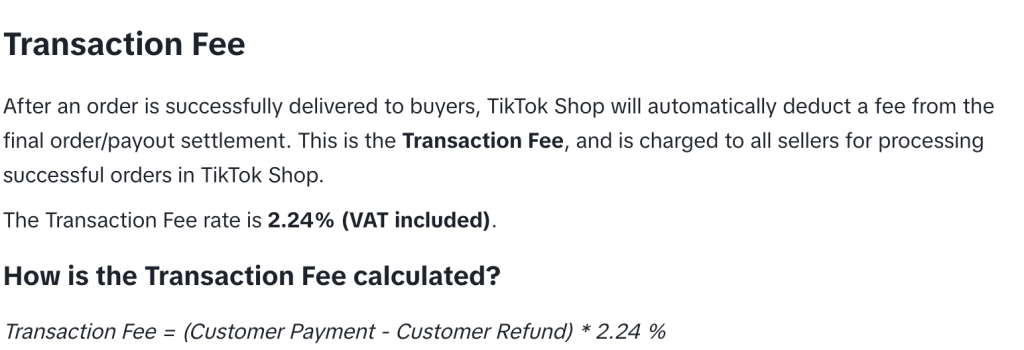
- TikTok Ads Manager: To boost your visibility or run targeted ad campaigns. Costs vary based on bidding strategy and competition.
- Advanced Analytics Tools: Premium dashboard features for tracking real-time performance and conversion data.
- Fulfillment Services: TikTok’s warehousing and shipping program (FBT) charges fees based on storage time, weight, and delivery speed.
So while there’s no forced monthly bill, TikTok has gradually added ways for sellers to spend money in exchange for speed, reach, or automation.
In short: You can absolutely run a cost-effective TikTok Shop with minimal investment—but if you want to go beyond the basics, budget for the extras.
TikTok Shop vs. Other Platforms in 2025
While TikTok Shop promotes itself as a low-barrier selling platform—and technically that’s true—many sellers discover additional costs that aren’t so obvious upfront. These hidden or situational fees can quietly eat into your profit margins if you’re not tracking them closely.
Here are the key ones to watch in 2025:
- Affiliate Commissions
If you’re using TikTok’s Creator Affiliate Program to get influencers to promote your product (and you probably should), you’ll need to offer them a commission. The typical cut ranges from 10% to 20% of each sale they drive. It’s performance-based, but it can stack up fast—especially if you go viral.
- Ad Spend & Sponsored Boosts
To stand out on TikTok in 2025, organic reach alone may not be enough. Many sellers invest in Spark Ads or Boosted Posts to get their products seen. These costs aren’t part of TikTok’s “fees,” but they do impact your bottom line. A few dollars per day can scale quickly into hundreds per month if you’re not careful with targeting.
- Returns & Dispute Costs
TikTok’s buyer-friendly return policy means sellers often cover the cost of return shipping or lost goods. If your product has sizing issues, quality complaints, or packaging problems, this can become a silent drain. Worse, too many disputes can lower your seller score—impacting your visibility in the Shop.
- Fulfilled by TikTok (FBT) Fees
If you join TikTok’s fulfillment program (similar to Amazon FBA), your shipping and warehousing is handled for you—but it comes with fees based on weight, volume, and storage time. For fast-moving products, this can be cost-effective. For slower sellers, fees can pile up quickly.
- Platform Discounts or Coupons
If you opt into TikTok’s platform-wide discount campaigns or coupon incentives (to boost sales or win algorithm favors), you might end up covering part of the markdown. These promos can help with exposure but reduce your take-home profit unless your pricing is carefully adjusted.
- Operational Costs You Still Control
Beyond TikTok’s ecosystem, don’t forget outside costs like product packaging, inventory storage (if done independently), or third-party apps you might use for syncing TikTok Shop with platforms like Shopify or WooCommerce.
In short: TikTok Shop doesn’t charge to open your store—but selling profitably means tracking every variable. It’s not just what TikTok takes—it’s what you spend to stay competitive.
Understood. Here’s the next section with an H2 heading, written in a clean, SEO-focused style without emojis:
Example: Real Cost Breakdown of a $50 Product on TikTok Shop
To fully understand how TikTok Shop’s fees impact your margins, let’s walk through a practical example. Assume you’re selling a single item for $50 on TikTok Shop in 2025.
Here’s how the costs might break down:
1. Commission Fee (8%)
TikTok charges around 8% per transaction on most products. That’s $4 taken from your $50 sale.
2. Affiliate Commission (Optional, 15%)
If a creator promoted your product through the affiliate program, you’d pay them $7.50.
3. Shipping Cost (Variable, $5–$8 Average)
If you’re handling shipping yourself, you might pay $6 on average for standard delivery. If you use TikTok’s fulfillment program, expect a similar or slightly higher rate depending on size and weight.
4. Return/Refund Contingency
Not every order results in a return, but if you build in a buffer of $1–$2 per order to cover future returns, it’s a smart move.
5. Ad Spend Allocation (Optional, $3–$5 Per Order)
If you’re promoting your product via Spark Ads or Boosted Posts, your average ad cost per sale could be around $4, depending on campaign efficiency.
6. Other Tools or Tech Fees (Optional)
Some sellers use third-party integrations, apps, or analytics tools. Let’s allocate $1 as a rough average per order.
Total Costs:
- Commission: $4
- Affiliate: $7.50
- Shipping: $6
- Returns buffer: $1.50
- Ads: $4
- Tools: $1
- Total: $24
Estimated Net Profit: $26 per unit
While $26 net on a $50 product may seem healthy, your actual profit margin will depend on how efficiently you manage each of these cost areas. For example, removing affiliate or ad costs may improve your margin but could reduce your exposure and sales volume.
In short, TikTok Shop offers access to massive visibility—but making it profitable requires understanding every layer of the transaction.
How TikTok Shop Compares to Other Selling Platforms in 2025
TikTok Shop isn’t the only player in the social commerce space—but its fee model and sales potential set it apart in key ways. To help you decide where it fits in your overall selling strategy, here’s how it stacks up against other major platforms in 2025.
| Platform | Fees | Pros | Cons |
| Amazon | 15% referral fee, FBA costs, $39.99/month for pro sellers | Huge customer base, trusted fulfillment | High competition, strict rules, limited brand control |
| Shopify (TikTok-linked) | $39/month starter, plus 2.9% + $0.30 per transaction | Full control, multichannel support | Requires ongoing effort: design, marketing, upkeep |
| Etsy | 6.5% transaction fee, $0.20 listing, 3% + $0.25 processing | Great for handmade, niche markets | Fee stack adds up, limited outside Etsy’s ecosystem |
| Instagram/Meta Shops | Around 5% per transaction | Easy to link with existing followers | Lower organic reach, harder for new sellers to grow |
| TikTok Shop | 6%–8% commission, no listing or monthly fees, optional extras | High reach, video-first, strong creator integration | ROI depends on content performance, can be inconsistent |
Compared to traditional marketplaces, TikTok Shop offers a lower barrier to entry and fewer fixed costs. However, success on the platform heavily depends on video content performance and influencer engagement—which means your revenue potential is directly tied to how well you understand the TikTok ecosystem.
Profit Tips: How to Lower Costs and Keep Margins Strong?
Selling on TikTok Shop in 2025 can be highly profitable—but only if you manage your costs carefully. Since the platform’s fee structure is tied to performance and optional services, there’s plenty of room to optimize your margins with smart strategies. Here are practical ways to protect your bottom line while still growing sales.
- Price Strategically Based on Total Cost Per Order
Before setting a retail price, map out every potential cost: commission, shipping, creator cuts, ad spend, and return risk. Use that to build a minimum price threshold that guarantees a profit, even after fees. Pricing too low just to attract attention can kill your margin before volume makes up for it. - Use Creator Partnerships with Clear ROI
TikTok’s affiliate system is powerful—but giving away 15–20% of your revenue to creators only works if it actually drives conversions. Track affiliate-driven sales closely, and don’t hesitate to adjust commission rates or change partners based on performance. - Limit Ad Spend to High-Converting Products
Not every product needs paid promotion. Start with organic content first to identify what gets traction, then invest in Spark Ads or Boosted Posts for those that show real conversion potential. A well-performing video often outpaces a heavily boosted one. - Take Advantage of In-App Promotions Carefully
TikTok often offers exposure boosts for joining platform-wide promotions, but these often involve offering discounts or free shipping. Use them for short-term visibility, but don’t rely on them as your only traffic source. Always build in margin room when opting in. - Choose Fulfillment Methods That Match Your Volume
TikTok’s fulfillment service can be convenient, but it’s best suited for high-volume products that turn quickly. If you’re selling slower-moving or seasonal goods, self-fulfillment may be more cost-effective. - Track Every Cost and Optimize Over Time
Success on TikTok Shop is rarely set-and-forget. Monitor order-level profitability, review return rates, adjust pricing based on category fees, and keep testing new content styles. The sellers who win are the ones who constantly refine both their content and cost structure.
The goal isn’t just to sell more—it’s to make each sale actually count. Keep an eye on where your money goes, double down on what works, and adjust as you grow. The sellers who stay sharp and flexible are the ones who end up ahead on TikTok in 2025.
Should You Sell on TikTok Shop in 2025?
TikTok Shop isn’t for everyone—and that’s okay. While it offers huge potential, your success depends a lot on what you’re selling, how you market it, and how comfortable you are with short-form video as a sales tool.
You’re likely a good fit for TikTok Shop if:
- You sell products that are visual, demo-friendly, or trend-based (like beauty, gadgets, fashion, or home items)
- You’re already active on TikTok or have access to creators who can promote your brand
- Your margins can handle creator commissions, platform fees, and occasional ad spend
- You’re open to experimenting with content, trying new formats, and adjusting your approach as trends shift
TikTok Shop might not be the best fit if:
- You sell low-priced products with razor-thin margins
- Your items require a lot of explanation or don’t translate well to short videos
- You’re not ready to invest time (or budget) into content or creator partnerships
- You’re in a tightly regulated niche that faces restrictions (like supplements or medical devices)
In short, TikTok Shop rewards brands and sellers who are agile, creative, and willing to play the content game. If that sounds like you, it can be one of the fastest ways to reach new customers in 2025.
Final Thoughts: Is Selling on TikTok Shop Worth the Cost in 2025?
For many sellers, TikTok Shop in 2025 is one of the most accessible ways to get a product in front of a massive, highly engaged audience. There are no upfront listing fees or subscriptions, and the platform makes it easy to reach customers where they’re already scrolling.
But that low entry point doesn’t mean it’s free.
Between commissions, shipping, creator payouts, and ad costs, every sale comes with moving parts—and potential expenses. If you don’t plan carefully, those small percentages can quietly take a big bite out of your profits.
That said, TikTok Shop isn’t built for slow, traditional selling. It’s built for speed, content, and connection. If you’re willing to adapt, create, and learn as you go, it can be a powerful channel for growth.
Start small. Test a product. Track your numbers. And scale when you know what works.
Because when you treat TikTok Shop like a business—not just a trend—the numbers can work in your favor.