When you shop on Amazon, more than 60% of items you see are not sold by Amazon at all, they come from independent third-party sellers on the Amazon Marketplace. That single fact changes how you should evaluate pricing, shipping speed, return policies, and customer service on nearly every product page you visit.
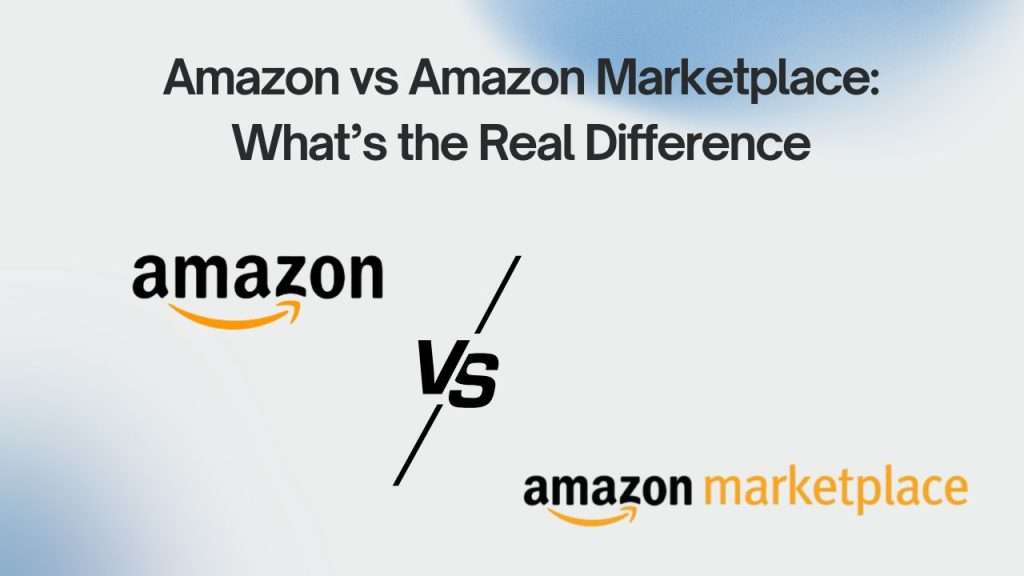
The core distinction is this: when a listing says “Sold by Amazon,” Amazon owns the inventory, controls the price, and handles all customer service end to end, this is the first-party (1P) model. When a listing says “Sold by [Seller Name],” an independent business owns that product and sets its own price, this is the third-party (3P) Marketplace model. Fulfilled by Amazon (FBA) is a middle ground where a third-party seller’s inventory is stored and shipped by Amazon, making it Prime-eligible with Amazon-level service.
For shoppers, the practical difference comes down to trust signals: check who the item is “Sold by,” look for the “Fulfilled by Amazon” label, and review seller ratings before purchasing from an unknown Marketplace seller. For sellers, the choice between becoming an Amazon Vendor (1P, invite-only, low control) versus a Marketplace Seller (3P, full pricing and branding control, higher complexity) is one of the most consequential business decisions on the platform.
This article covers four areas in order: what Amazon’s direct retail model is and how it works, what the Amazon Marketplace is and how third-party sellers operate within it, a side-by-side breakdown of six key differences including inventory ownership, pricing control, customer service, and Prime eligibility, and a practical guide for both shoppers and sellers on which model fits their needs.
What Is “Amazon” in the Traditional Sense?
When most people think of Amazon, they picture a massive online store run entirely by the company itself. And that’s not entirely wrong—Amazon does operate as a traditional retailer in many cases. In this setup, Amazon acts just like any big-box store: it buys products from manufacturers or brands in bulk, stores them in its own warehouses, and sells them directly to customers. These are known as first-party (1P) sales.
You’ll usually see this when a product listing says “Ships from and sold by Amazon.” That means Amazon owns the inventory, controls the pricing, and handles customer service from end to end. It also means the product is part of Amazon’s official catalog and meets its internal standards.
For shoppers, this often adds a layer of trust. You’re buying directly from Amazon, so you can expect reliable shipping, predictable return policies, and consistent customer support. For brands that work with Amazon as a vendor, it’s a way to reach millions of customers—but it comes with less control over how their products are marketed or priced.
This is the “classic” Amazon model—but it’s only part of the story.
What Is the Amazon Marketplace?
The Amazon Marketplace is where third-party sellers—ranging from small businesses to global brands—list and sell their own products on Amazon’s platform. Unlike items sold directly by Amazon, these products are owned, priced, and managed by independent sellers who use Amazon as their storefront. This is often referred to as the third-party (3P) model.
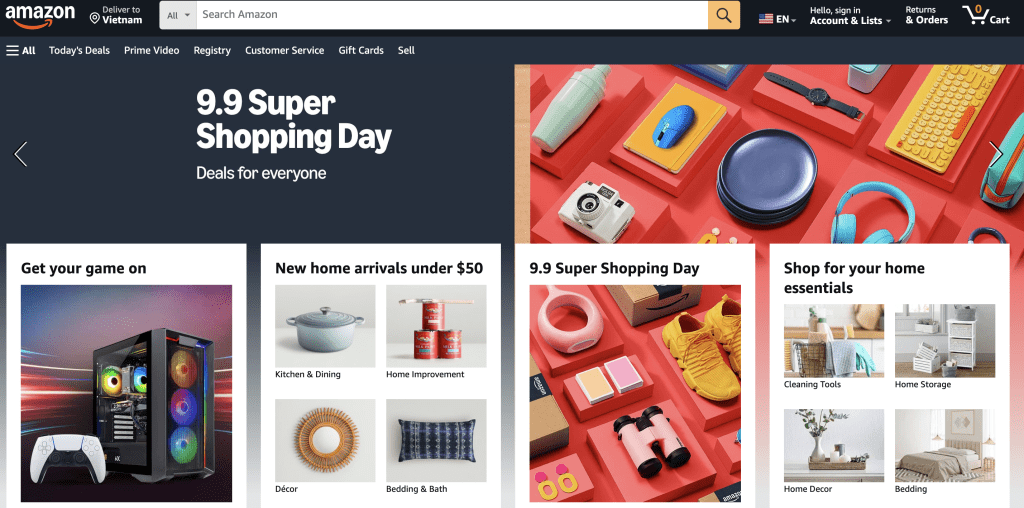
Today, the Marketplace isn’t just a side feature—it’s the engine behind most of Amazon’s growth. In fact, more than 60% of items sold on Amazon come from Marketplace sellers. That means when you shop on Amazon, you’re often buying from someone who isn’t Amazon at all.
Marketplace sellers have flexibility in how they run their operations. Some handle everything themselves, from packaging to shipping (this is called Fulfilled by Merchant, or FBM). Others choose Fulfilled by Amazon (FBA), where Amazon stores the inventory and takes care of shipping and customer service, often making these items Prime-eligible.
You can usually spot Marketplace listings by looking closely at the product page. It might say something like “Sold by TrendyTechGear, Fulfilled by Amazon” or “Ships from and sold by EcoHome Inc.” That’s your cue that a third-party seller is behind the offer.
For shoppers, the Marketplace means more variety, competitive pricing, and niche products. For sellers, it’s a powerful way to reach millions of customers without needing their own website or logistics network.
Key Differences Between Amazon and the Amazon Marketplace
While both Amazon and its Marketplace appear under the same digital roof, they operate on two very different models. If you’re shopping—or especially if you’re planning to sell—it’s worth understanding where the lines are drawn. Here’s a breakdown of the most important differences:
Ownership of Inventory
When Amazon sells an item itself, it owns that product before it ever reaches your cart. It buys inventory from manufacturers or brands, stores it in its own fulfillment centers, and ships it directly. Marketplace sellers, on the other hand, retain ownership of their stock. They simply list their items on Amazon’s platform, and depending on their setup, either ship it themselves or use Amazon’s fulfillment services.
Control Over Pricing
Amazon sets prices for the products it sells directly. That means it can run discounts, bundle deals, or change pricing dynamically based on demand. Marketplace sellers have full control over how they price their items. This creates competition—multiple sellers can list the same product at different price points, and customers often see these options in the “Other Sellers on Amazon” section.
Customer Service Experience
If you buy something “Sold by Amazon,” any issues—returns, refunds, delivery hiccups—are handled directly by Amazon’s customer service. It’s generally smooth and consistent. With Marketplace sellers, the experience depends on who’s fulfilling the order. If it’s Fulfilled by Amazon (FBA), you’ll still get Amazon’s customer service and return policies. But if the seller is handling fulfillment (FBM), you might deal with them directly for support, and that can vary in quality.
Product Selection and Diversity
This is where the Marketplace really shines. Amazon’s own catalog is large, but limited to what it chooses to stock. The Marketplace, by contrast, opens the doors to millions of additional products, niche brands, international items, handmade goods, and hard-to-find specialties. If there’s a product you can’t find in stores, there’s a good chance someone on the Marketplace offers it.
Trust and Reliability
There’s a natural sense of trust that comes with buying directly from Amazon—it’s familiar, streamlined, and well-supported. With Marketplace sellers, trust comes from reputation. Ratings, reviews, and seller feedback all matter. Some Marketplace sellers build strong brand recognition over time, while others may be new or unknown. Shoppers need to look a bit closer before hitting “Buy.”
Prime Eligibility
Not all Marketplace items are Prime-eligible, but many are—especially those using Fulfilled by Amazon. When you see the Prime badge on a product sold by a third-party, it usually means Amazon is handling the shipping and returns, so you’ll get the same fast delivery and reliable service you’d expect from Amazon itself.
In short, both sides of the platform have strengths, but knowing these differences helps you choose more confidently—whether you’re browsing for a new gadget or planning to start your own storefront.
What This Means for Shoppers
As a customer, you might not always notice whether you’re buying from Amazon directly or from a Marketplace seller—but that small detail can affect your overall experience more than you think.
First, let’s talk about confidence. When you buy something sold and shipped by Amazon, you’re usually getting a tried-and-tested process: fast delivery, easy returns, and customer service that rarely misses a beat. It’s a familiar system that millions of people trust.
With Marketplace sellers, the experience can vary. Many are top-rated businesses with great service and fast shipping, especially if they use Amazon’s fulfillment (FBA). These orders are generally Prime-eligible, which means the delivery speed and return policies match Amazon’s own standards.
However, not all Marketplace sellers use FBA. If you buy from a seller who fulfills their own orders (FBM), shipping times may be slower, return policies might differ, and customer support can be hit or miss depending on how that seller runs their business.
So how can you shop smarter? Here are a few quick tips:
- Check who the item is “Sold by” on the product page.
- Look for the “Fulfilled by Amazon” label—it usually signals a more seamless experience.
- Read seller ratings and reviews before purchasing.
- Review the return policy, especially for non-Prime items.
In the end, there’s nothing wrong with buying from Marketplace sellers—in fact, many offer better deals or unique products you won’t find in Amazon’s core inventory. Just keep your eyes open, and you’ll know exactly what kind of shopping experience to expect.
What This Means for Shoppers
As a customer, you might not always notice whether you’re buying from Amazon directly or from a Marketplace seller—but that small detail can affect your overall experience more than you think.
First, let’s talk about confidence. When you buy something sold and shipped by Amazon, you’re usually getting a tried-and-tested process: fast delivery, easy returns, and customer service that rarely misses a beat. It’s a familiar system that millions of people trust.
With Marketplace sellers, the experience can vary. Many are top-rated businesses with great service and fast shipping, especially if they use Amazon’s fulfillment (FBA). These orders are generally Prime-eligible, which means the delivery speed and return policies match Amazon’s own standards.
However, not all Marketplace sellers use FBA. If you buy from a seller who fulfills their own orders (FBM), shipping times may be slower, return policies might differ, and customer support can be hit or miss depending on how that seller runs their business.
So how can you shop smarter? Here are a few quick tips:
- Check who the item is “Sold by” on the product page.
- Look for the “Fulfilled by Amazon” label—it usually signals a more seamless experience.
- Read seller ratings and reviews before purchasing.
- Review the return policy, especially for non-Prime items.
In the end, there’s nothing wrong with buying from Marketplace sellers—in fact, many offer better deals or unique products you won’t find in Amazon’s core inventory. Just keep your eyes open, and you’ll know exactly what kind of shopping experience to expect.
What This Means for Sellers
If you’re looking to sell on Amazon, the choice between becoming a vendor (selling directly to Amazon) or a third-party seller on the Marketplace is a major decision—and it shapes nearly every part of how you’ll run your business.
Selling to Amazon as a Vendor (1P)
This is often invite-only. You sell your products in bulk to Amazon, and they take care of everything from pricing to fulfillment. On paper, it sounds easy—you get purchase orders, ship to Amazon’s warehouse, and let them do the rest.
But there’s a trade-off. Amazon controls how your product is priced, how it’s marketed, and even whether it stays in stock. If you want consistency and scale but don’t mind losing control, this path can work. It’s similar to selling wholesale to a giant retailer.
Selling on Amazon Marketplace (3P)
This route offers more freedom. You control your pricing, product listings, inventory, and branding. Whether you fulfill orders yourself (FBM) or use Fulfilled by Amazon (FBA), you’re building your own retail presence within the Amazon ecosystem.
For many sellers—especially startups, niche brands, or side hustlers—Marketplace is the clear choice. It offers direct access to customers, better margins, and the ability to grow at your own pace.
But that flexibility comes with more responsibility. You’re in charge of your own marketing, customer service (unless you use FBA), inventory management, and competition strategy.
Quick Comparison:
- Vendor (1P):
- Pros: Easier logistics, less day-to-day involvement
- Cons: Low control over pricing, limited branding options
- Marketplace (3P):
- Pros: Full control, higher potential profits, brand ownership
- Cons: More complexity, more competition, steeper learning curve
For sellers who want to build a brand and own their customer experience, the Marketplace usually offers the better long-term opportunity.
Before launching or scaling a product, sellers need proof of real demand. Amazon’s trending and best-selling items offer one of the clearest signals of what customers are actively buying right now.
Read more: Amazon trending products
So… Which One Is “Better”?
This isn’t a case of one being better than the other—it’s more about fit.
If you’re a shopper, “better” depends on what you value. Want consistent service, fast delivery, and easy returns? Buying directly from Amazon or from Marketplace sellers using Fulfilled by Amazon might be your go-to. Prefer unique items, niche brands, or potentially lower prices? Marketplace sellers often have more variety and flexibility.
If you’re a seller, the decision comes down to your business goals. Do you want to focus on supply and let Amazon handle the rest? Then becoming a vendor could work—if you’re invited. But if you want to build a brand, control your pricing, and scale on your own terms, the Marketplace gives you that freedom.
In reality, Amazon and its Marketplace aren’t in competition with each other—they’re two sides of the same platform. Both serve different needs, and both play a role in the Amazon experience. The key is knowing which one you’re dealing with, and why it matters to you.
As brands expand beyond a single storefront, selling on marketplaces like Amazon or eBay often requires tighter operational control. Connecting marketplaces directly to Shopify helps centralize inventory, sync orders, and reduce manual errors.
Read more: Shopify marketplace integration app
Final Thoughts
Amazon isn’t just a single seller—it’s an entire ecosystem made up of both first-party retail and a massive third-party Marketplace. While everything lives under one roof, the way products are sourced, sold, and supported can vary quite a bit depending on who’s behind the listing.
For shoppers, understanding whether you’re buying from Amazon itself or from an independent seller can help you shop smarter, avoid surprises, and find better value. For sellers, choosing between the vendor route and the Marketplace model is one of the most important strategic decisions you’ll make.
In the end, neither option is universally “better.” It all depends on your priorities—speed, control, margins, or convenience. But knowing the difference between Amazon and Amazon Marketplace puts you in a stronger position, whether you’re clicking “Add to Cart” or planning your next product launch.
Knowledge is leverage. And on a platform as vast as Amazon, it can make all the difference.
Recommended for you:
- Want to compare major ecommerce platforms? Read The Complete Shopify Integrations Guide to Run Your Store Smarter 2025.
- New to marketplace selling? Explore AutoDS Review 2025 to understand automation tools for Amazon & Shopify.
- Want to optimize product catalog and visibility? Check The 10 Best Order Limit Shopify Apps for better inventory and purchase control.
- Managing product variants? Learn OPTIS Product Options & Variant App Review for advanced customization.
- Selling multi-SKU or bulk products? See OC Quantity Breaks & Order Limit to control pricing and quantity rules.
- Need SEO advantage for marketplace competition? Read Smart SEO App Review for Shopify Stores.
- Running ads for marketplace or Shopify products? Check Discover Top 5 Best Shopify Facebook Pixel Apps to improve attribution accuracy.
- Curious how analytics tools compare? Explore Triple Whale Alternatives: Best Attribution & Analytics Tools for 2025.
- Building trust for ecommerce products? Read Elfsight Google Reviews Widget Review for boosting credibility.
- Want faster fulfillment insights? See The 10 Best Orders and Shipping Shopify Apps for scaling your online store.